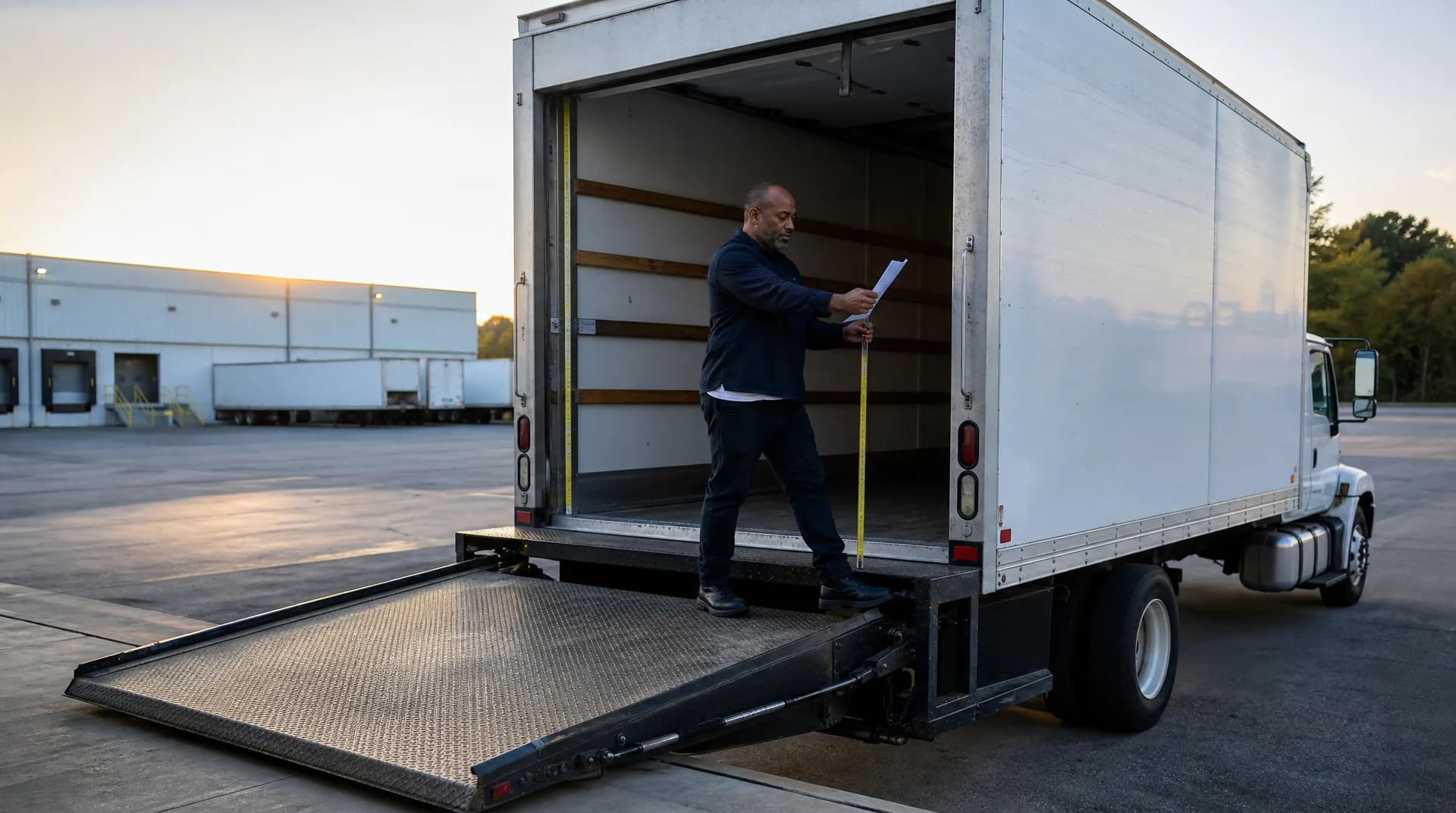
Before you haul for a broker you have not worked with, check three things: that it is a registered broker and you are really talking to it, that it pays its carriers and how fast, and that the load is not being passed along without the shipper knowing. These checks are quick, and each one costs less than a load you are never paid for.
This guide is for owner-operators with their own MC who book some or all of their loads from brokers. It covers what to look up, what to read on the rate confirmation, and what to do if a load goes wrong anyway.
Is it a registered broker, and is it really them?
Look the broker up by its MC or USDOT number on SAFER, the FMCSA company snapshot. Check that it holds active broker authority, not only carrier authority, and that the legal name matches the name on the rate confirmation. A company that arranges loads for others is a broker under 49 CFR 371.2, and to be registered it needs a $75,000 surety bond or trust fund on file under 49 CFR 387.307. Its registration stays in effect only while that bond or trust does.
Then make sure the person on the phone works for that broker. FMCSA’s broker and carrier fraud guidance suggests these steps:
- Compare the phone number you were given with the one on SAFER. If they differ, call the SAFER number.
- If SAFER shows no phone number, consider not booking until you can confirm the load another way.
- Do not trust the top search result for a broker’s name. Fake profiles can rank first.
- Treat documents as claims to check, not proof. FMCSA notes that even insurance certificates can be forged.
An email address on a domain that does not match the broker’s website can be another reason to call the SAFER number before you go any further.
Does the broker pay, and how fast?
Registration tells you a broker is allowed to operate. It does not tell you whether it pays on time. Three common places carriers look:
- Credit and days to pay on your load board. Some load boards show a credit score and an average days to pay for each broker, built from payment reports. A low score or a long average is worth a question before you book.
- Your factoring company, if you use one. Factoring companies usually check a broker’s credit before they buy its invoices. If yours will not approve a broker, take that seriously even if you plan to wait for payment yourself.
- Other carriers. Ask people who have hauled for the broker how long payment actually took and whether deductions came up after delivery.
None of these is a guarantee. They tell you how the broker has paid others, which is the best signal you have before your own first load.


Own your truck and your MC?
StarBriges works with cargo van, Sprinter, box truck and straight truck owner-operators who run under their own authority. Send us your MC and truck details. We’ll review them within one business day.
Apply to run with StarBriges →What should you check on the rate confirmation?
The rate confirmation is your contract for the load. Read it before you dispatch, not at the dock:
- The broker’s legal name and MC number match what you found on SAFER.
- Your own legal name and MC number are on it as the carrier. A rate confirmation made out to another carrier is a warning sign.
- The full rate, and any detention, extra stop or layover pay, with the conditions for each.
- Payment terms: how many days after delivery, and which documents you have to send to start that clock.
- The pickup and delivery names and addresses, so you know who is shipping and who is receiving.
- Any fees or deductions the broker can take from your pay.
If what you were told on the phone is not on the rate confirmation, ask for a corrected one before you roll.
What is double brokering, and how do you spot it?
Double brokering is when the party that gave you a load is not the one the shipper hired, or passes the load on without the shipper agreeing to it. Sometimes it is a carrier reselling a load it accepted. Sometimes it is a scammer using a real company’s name to take the load and the payment, leaving you to haul for nothing. Either way, the person who owes you money may not be the person you talked to.
FMCSA’s fraud guidance says to stop the transaction if you see any of these:
- You are asked to present yourself as a carrier with a different name, or your driver is asked to lie about who they are hauling for.
- It is a blind load, where the real shipper or receiver is hidden from you.
- The broker agrees to pay more very quickly.
- The rate is far above the current market rate for the lane.
A load that pays well above the market is the one that most often feels like luck. Check it the hardest.
What can you ask to see after the load?
Under 49 CFR 371.3, a broker keeps a record of each brokered transaction for three years, including the freight charges it collected, its own compensation and who paid it, and the date it paid the carrier. Each party to the transaction has the right to review that record. If you think a load was brokered more than once, or you want to know what the shipper paid, this is the rule to point to.
What if you already hauled a load that went wrong?
If you delivered a load and the broker will not pay, or it turns out the load was double brokered, FMCSA suggests finding out who is paying for the freight and asking to be put in touch with that brokerage. Keep every rate confirmation, email, text and bill of lading.
Do not hold the freight until you are paid. FMCSA’s guidance says holding loads hostage is illegal. Report the problem instead:
- FMCSA Contact Center: 1-800-832-5660.
- The National Consumer Complaint Database.
- The U.S. Department of Transportation Office of Inspector General hotline, for fraud.
If the broker holds a bond, you can also ask the surety company about a claim against it. The bond exists to pay carriers and shippers when a broker does not meet its obligations.
How do you build a habit out of these checks?
Run the same short list on every new broker:
- Active broker authority on SAFER, and a legal name that matches.
- The SAFER phone number called, not only the one you were given.
- Credit and days to pay checked, and a factoring approval if you factor.
- A rate confirmation with both MC numbers, the full rate, payment terms and named shipper and receiver.
- None of FMCSA’s stop signs: a different carrier name, a blind load, a rate that rises too easily or sits far above the market.
Once a broker has paid you well a few times, the checks get faster. They do not stop, because a trusted name is exactly what an impostor borrows.
Some owner-operators cut down the number of brokers they deal with by running with a carrier partner. Check that partner the same way. StarBriges lists its USDOT 3160931 and MC 111120 at the foot of every page, runs non-forced loads and pays by weekly direct deposit. Running with StarBriges starts with a review of your MC and truck within one business day.