Freight & Logistics Insights
Operational notes on expedited freight, LTL, same-day, and industry-specific logistics from the Starbriges team. Built for shippers and logistics managers.
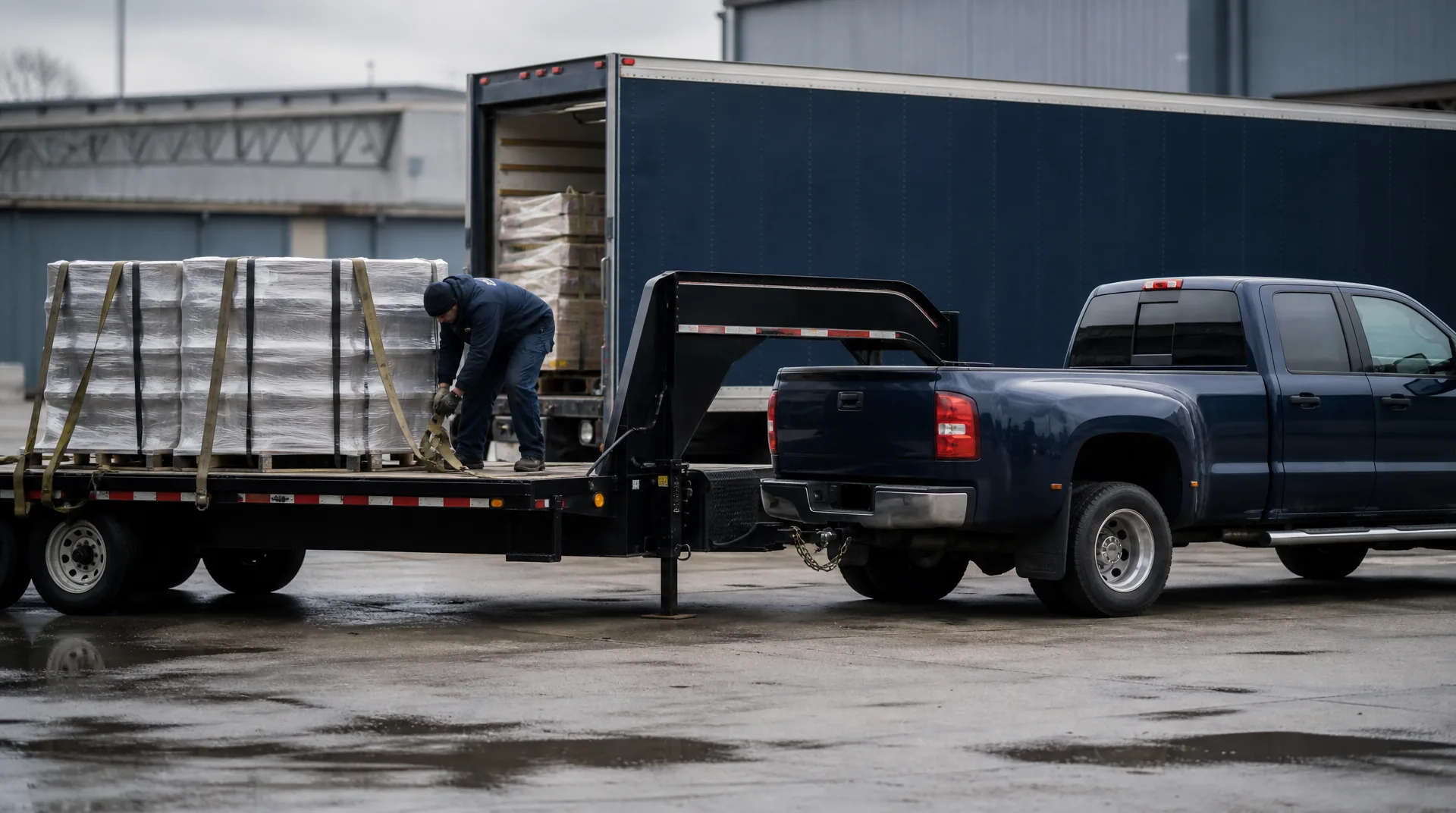
A hot-shot rate looks cheapest until one driver’s hours-of-service clock runs out mid-lane. The choice is whether your deadline can ride on a single truck.
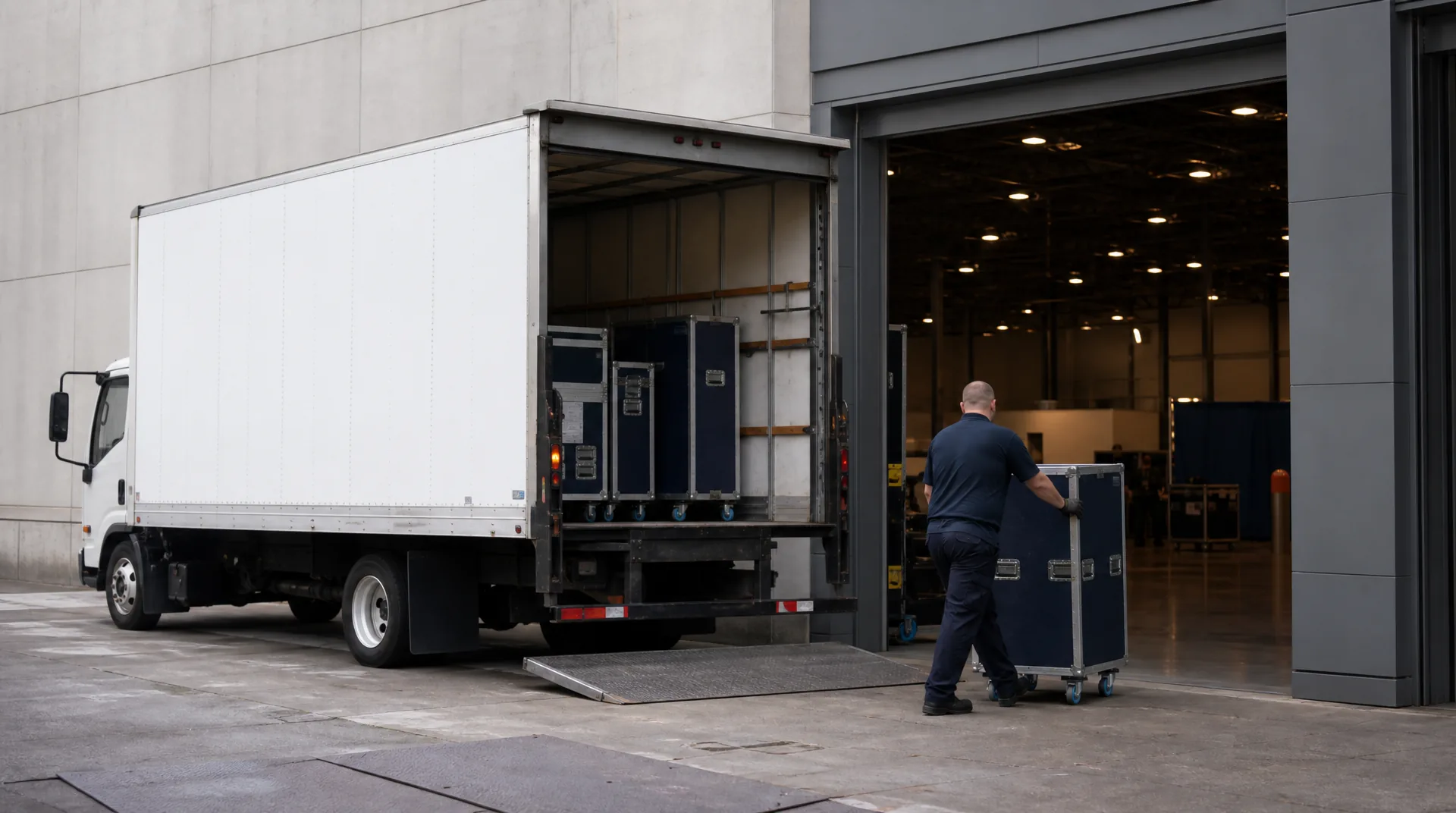
Skipping the marshalling yard and routing direct to show site moves the booth faster, when the show allows it, the dock has capacity, and your driver hits the target window.
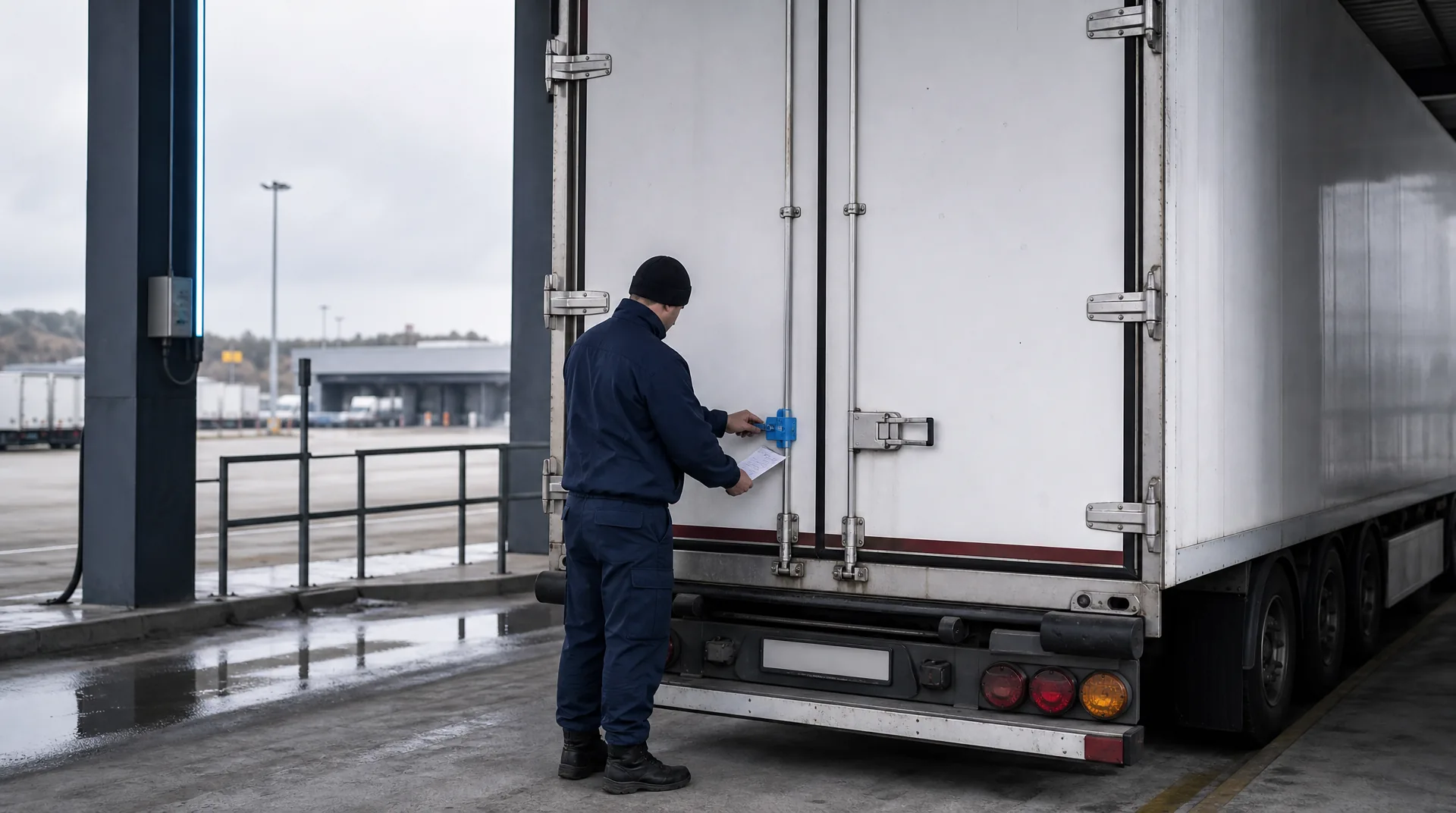
An in-bond move lets cargo travel through the US under customs control without formal entry at the first port. Bonded carriers, T&E vs IT entries, and where it goes wrong.
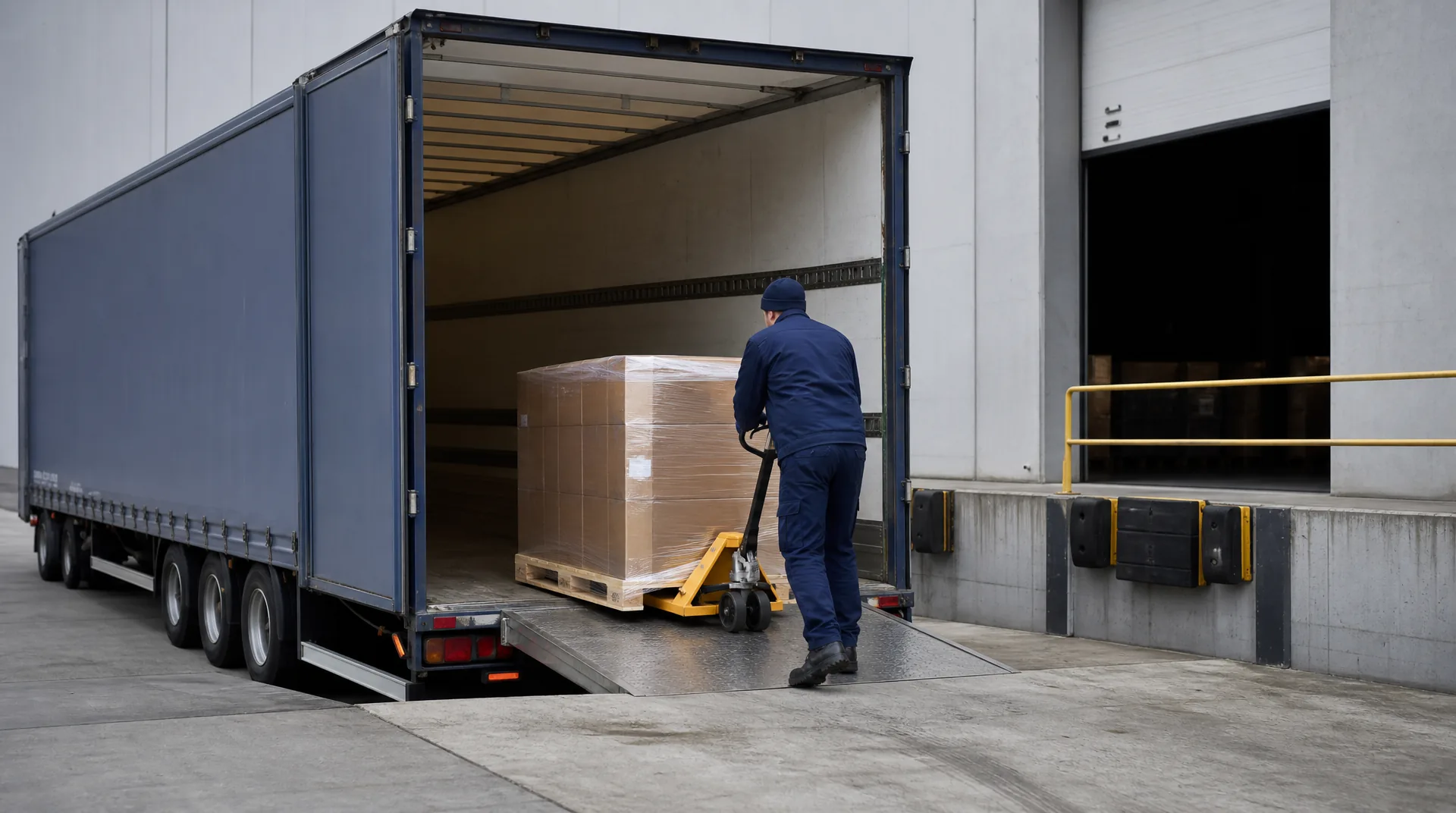
Carriers charge a premium to guarantee an LTL delivery date. Sometimes that premium pays for itself; often it just buys what a competent dispatcher would deliver anyway.

Same-day pricing reflects what you’re actually buying: dedicated capacity, clock pressure, and absorbed dispatch risk. Not just miles times rate-per-mile.
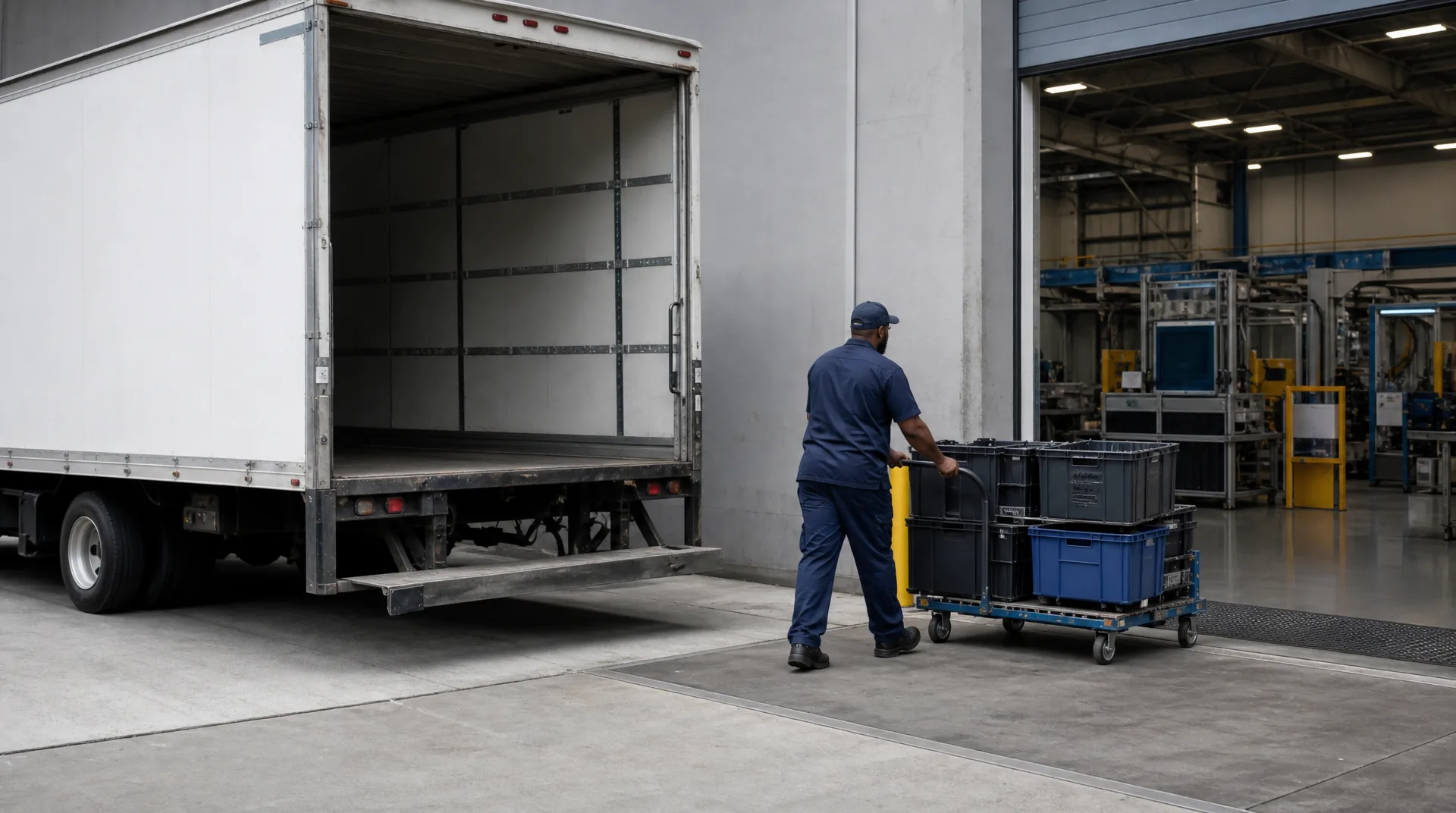
JIT runs on the assumption that every load lands inside its window. The freight side of JIT is dispatch discipline, not luck, and the cost of a miss is set by the receiver, not the carrier.

Both move freight today, but they fit different loads. Courier wins on small/light/document; trucking wins once the pallet, weight, or chain-of-custody sets the floor.
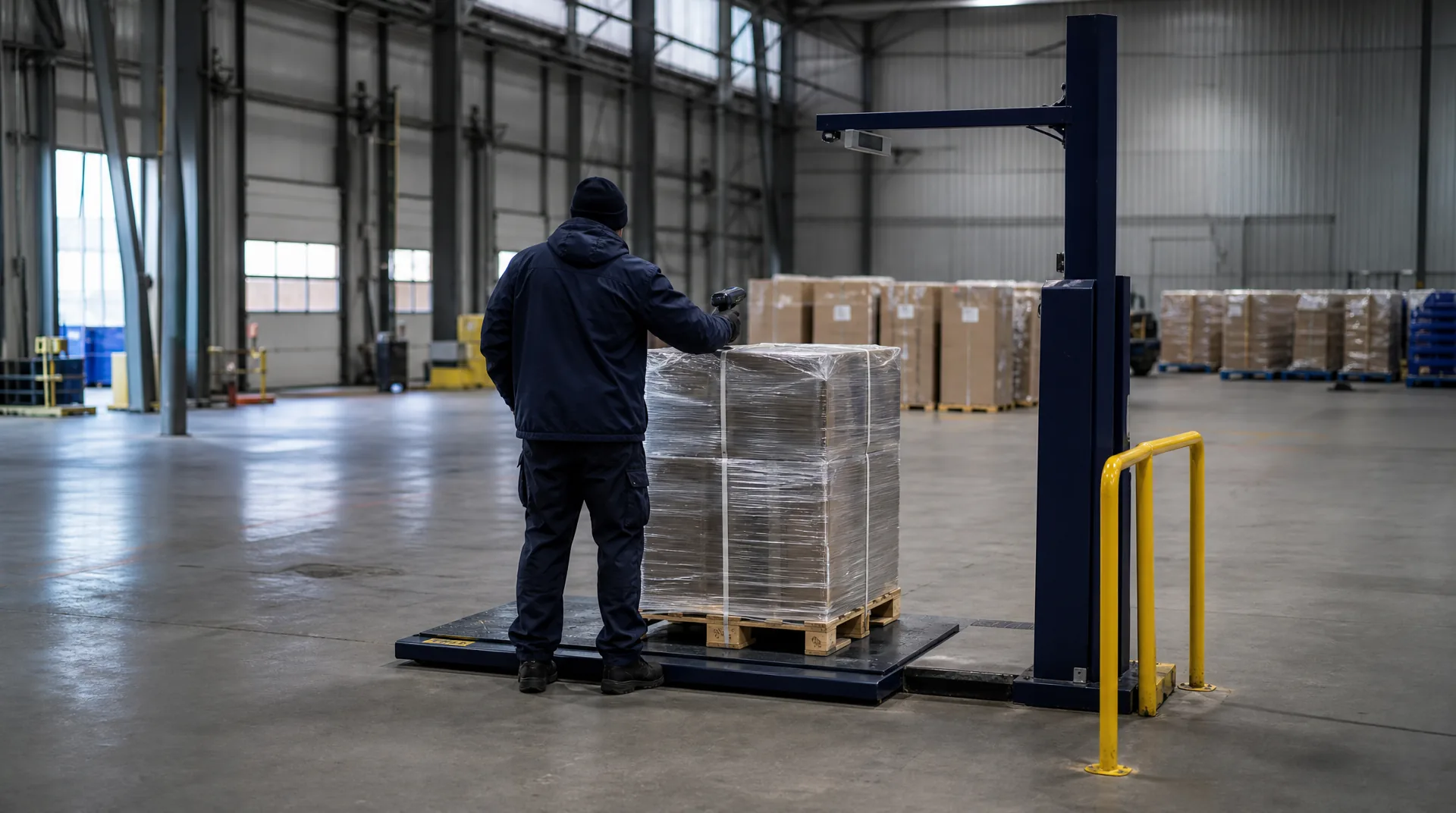
LTL rates are not a flat per-pound number. Class, density, lane, accessorials, and FAK agreements all reshape the bill, and most of those line items are negotiable.
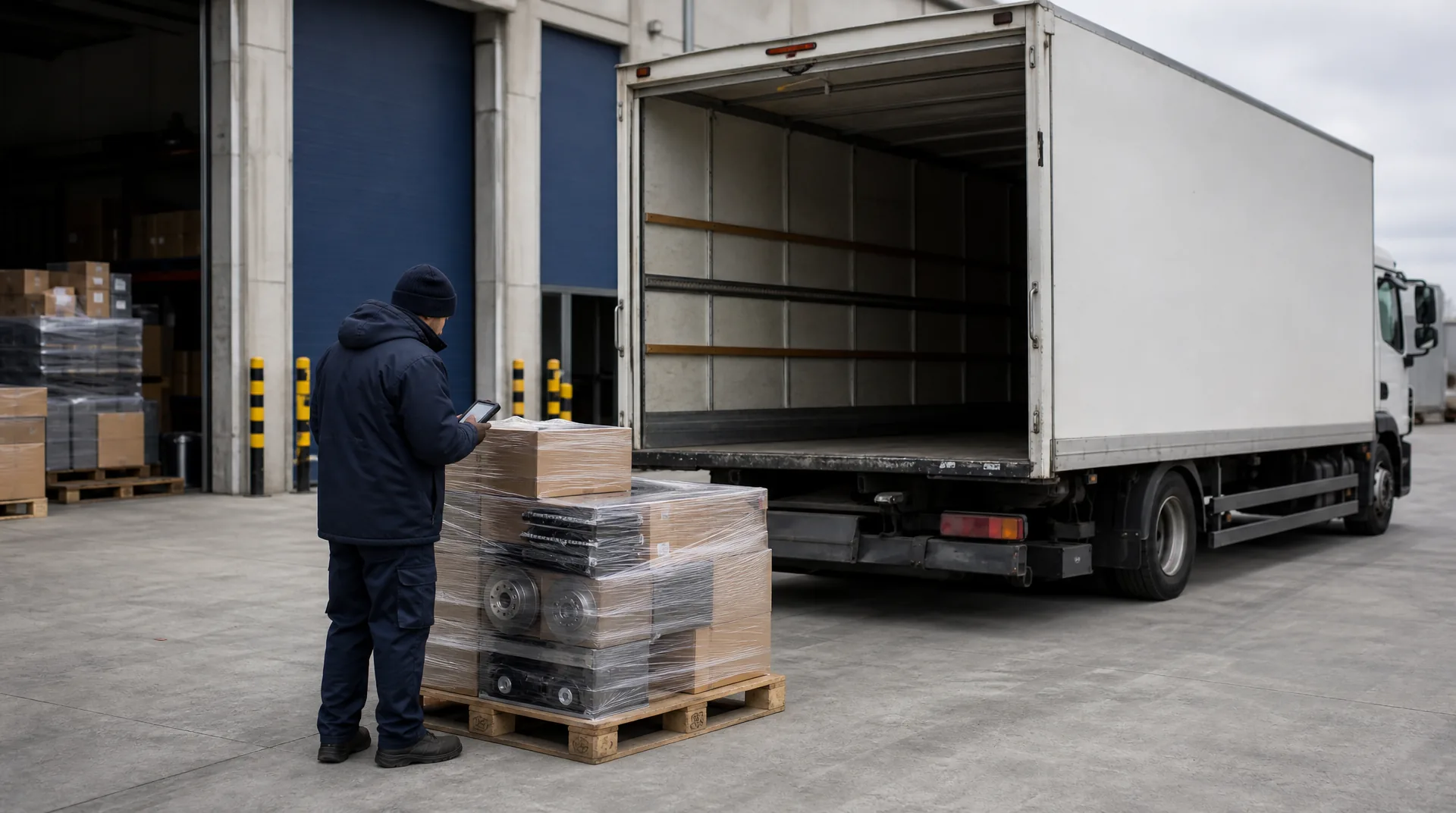
When the OEM calls a containment, parts and finished units have to move on a clock that is set by safety, regulators, and dealer dwell, not a standard transit table.
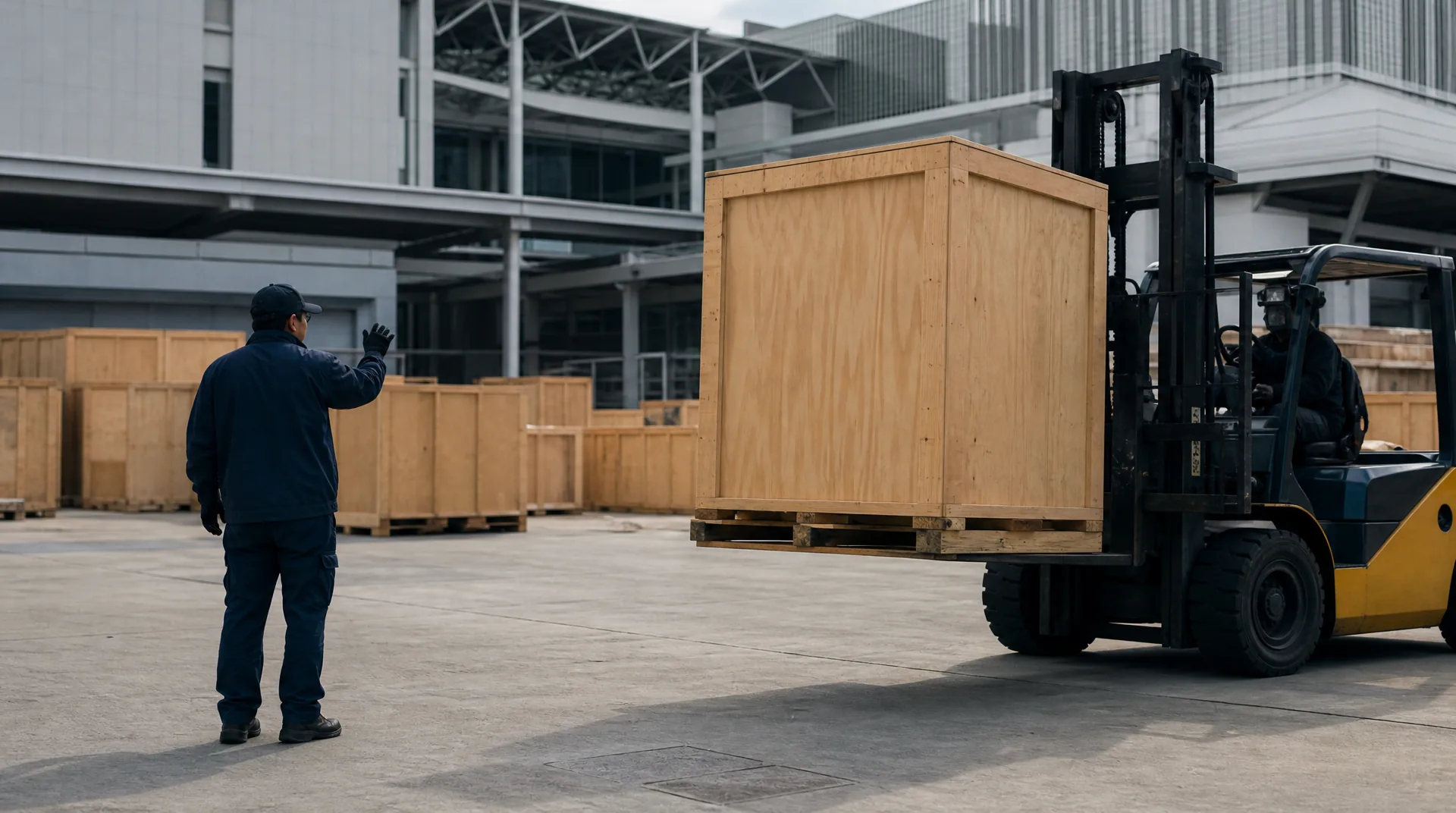
Drayage is the per-CWT charge to move freight from the marshalling yard onto the show floor and back out. Predictable in price; brutal when delays trigger forced freight.
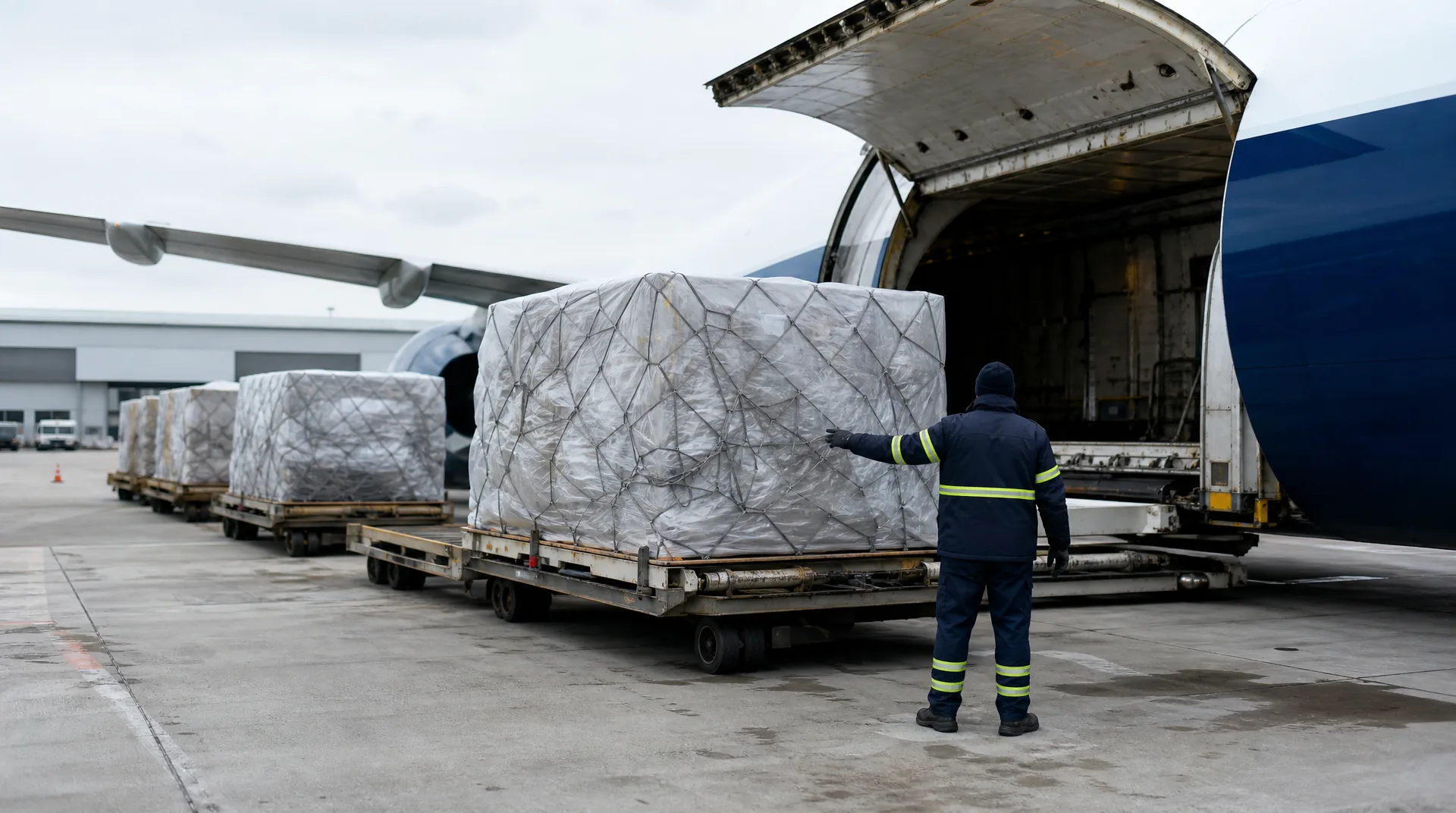
Commercial cargo is cheaper to the terminal. Air charter buys control of the timeline. And the ground recovery on landing decides whether air time reaches the dock.

The break-even between LTL and FTL isn’t always about pallet count. Density, lane, fragility, and dwell tolerance all push the math one way or the other.