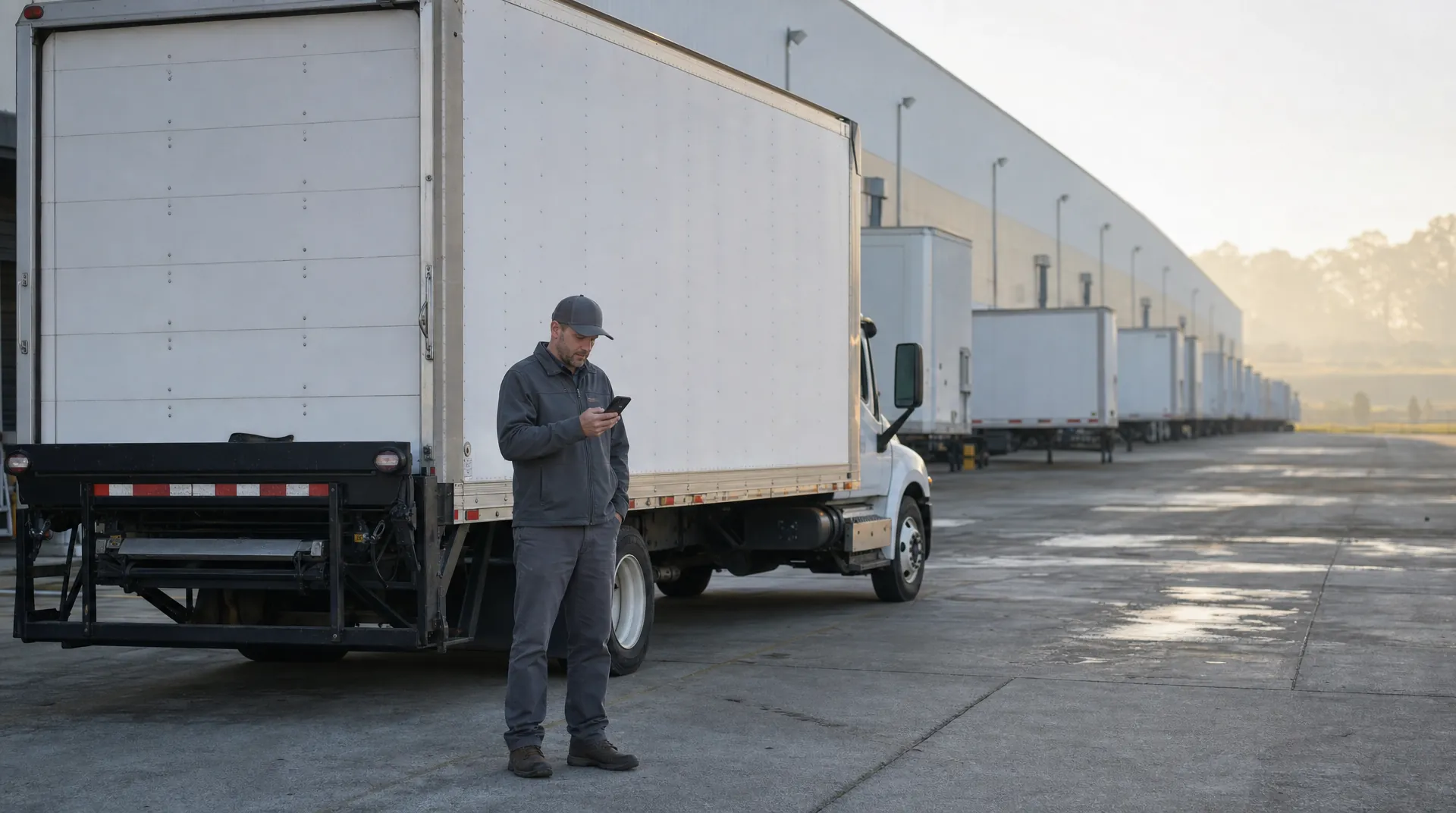
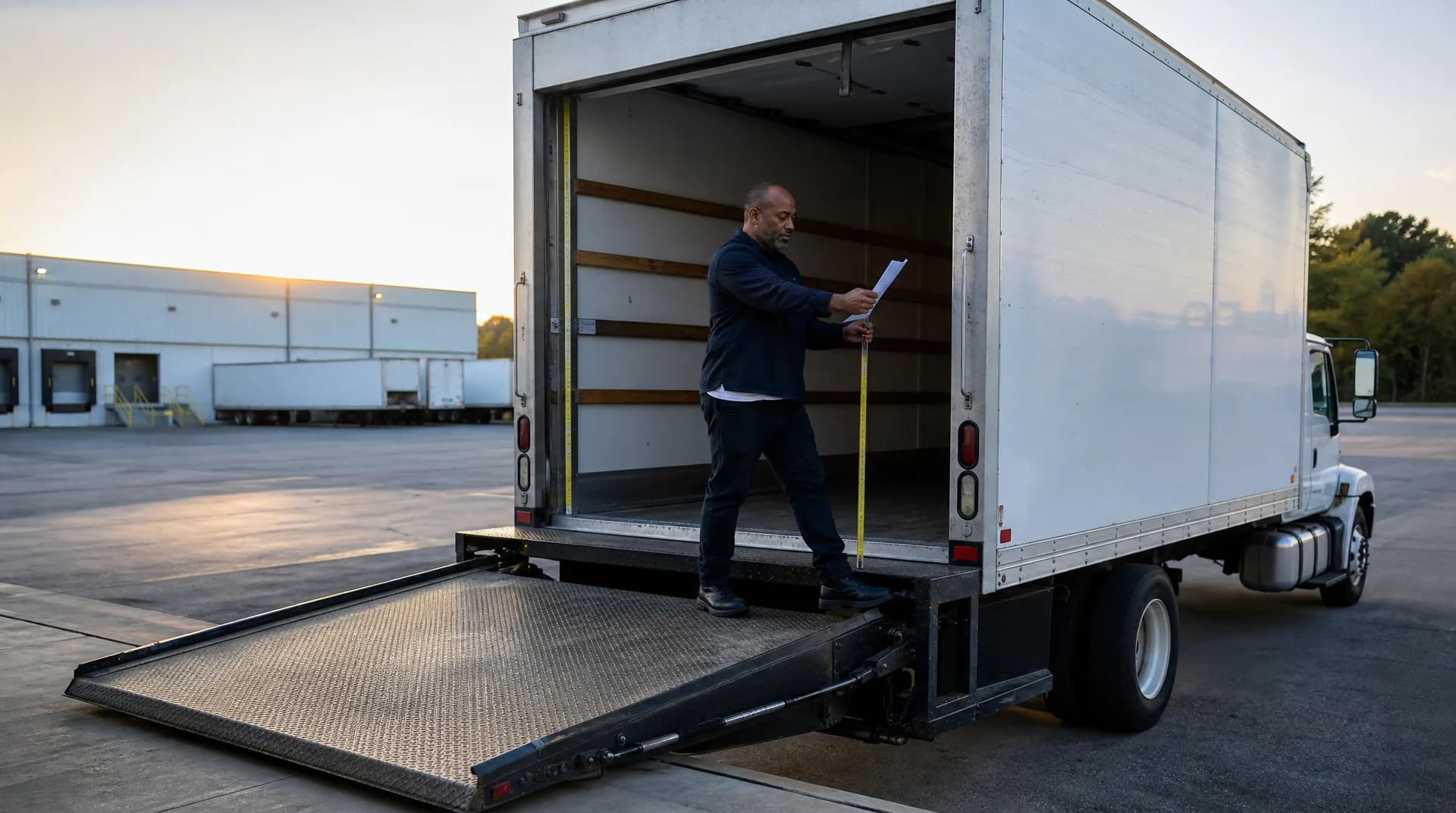
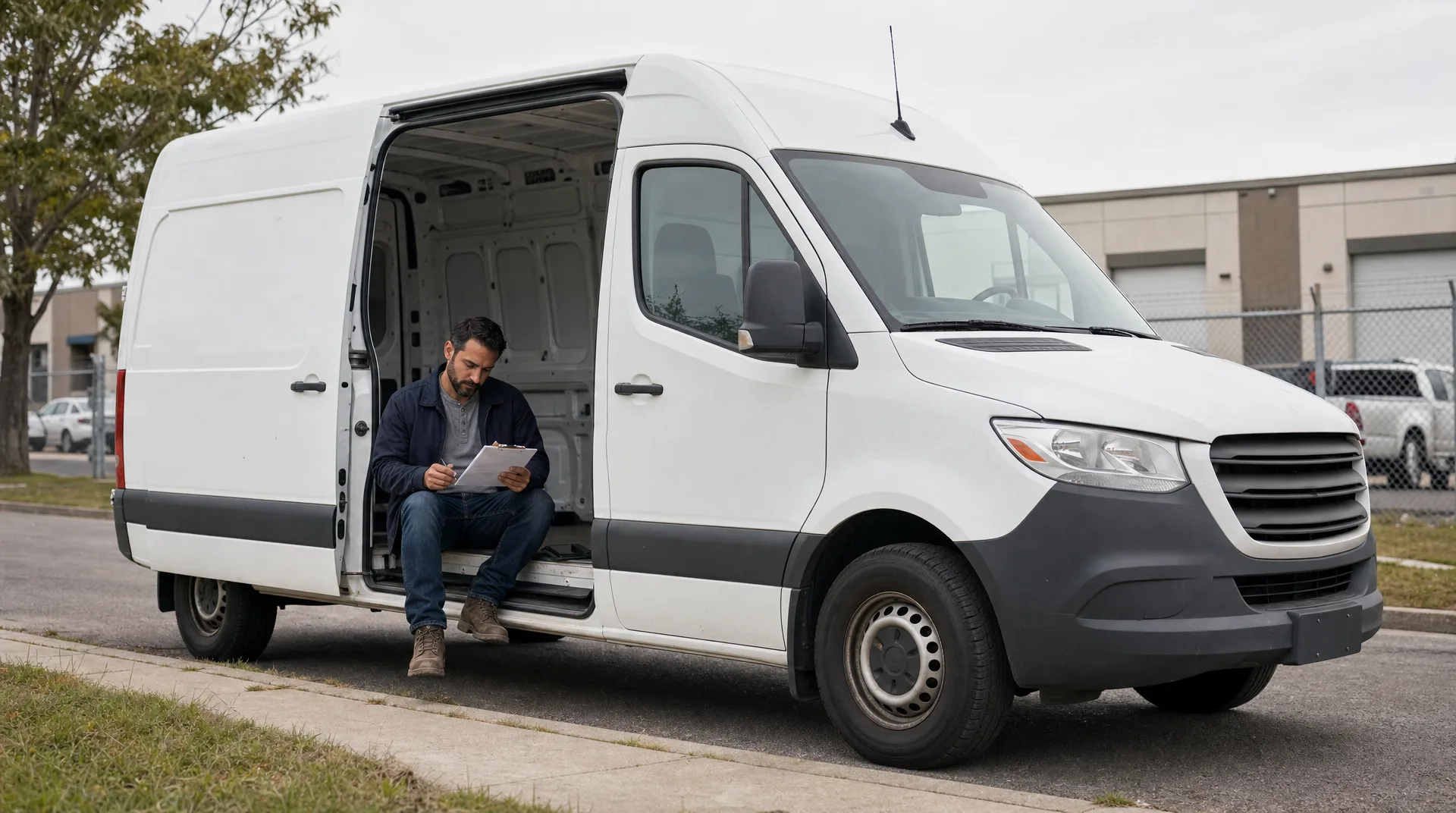
Box truck loads come from five places: public load boards, brokers who book you directly, carriers that hand you freight from their own customers, shippers who hire you themselves, and delivery apps. A load board is where most owner-operators start, and on its own it rarely keeps a box truck busy every day. This guide covers the other four: what each one asks of you, what it pays you back in, and how to combine them into a full week.
It is written for one reader: you own a box truck or a straight truck and run under your own MC. If you drive a cargo van or a Sprinter, the same question for vans is answered in how cargo van and Sprinter owner-operators find loads. If you are comparing carrier offers for your truck, box truck owner-operator jobs has the checklist.
Why is a load board not enough for a box truck?
A board shows the same posting to every truck that can take it, so you compete on rate and on how fast you call. That part is the same for a van. A box truck adds two problems of its own.
First, a board lists freight for every kind of equipment, and a lot of what you scroll past is built for a trailer. Filter by your truck type, then check every posting that is left against your payload, your box length and whether the delivery needs a liftgate. Second, much of the freight that fits a box truck is regional and repeat work: the same stores, the same warehouse, the same job sites every week. A shipper whose regular carrier covers that work has no reason to post it at all.
Boards still earn a place. Use them to learn what your lanes pay, to fill a day that would otherwise be empty, and to find a reload out of a market you did not plan to be in. Just do not plan the year around them.
Can you book loads with brokers directly?
Yes, and for many box truck owners this is the first step off the board. Once a broker has your carrier packet on file, a rep can call or email you about a load before posting it, or instead of posting it. The packet usually holds your operating authority, a W-9, a certificate of insurance and the broker’s signed carrier agreement.
The relationship is built one load at a time. Haul a load well, then tell the rep exactly what you run: box length, payload, liftgate or not, the regions you want and the days you are free. Ask what freight they move that fits a truck like yours. A rep who knows you can take a 12-pallet store delivery with a liftgate will think of you the next time one comes in.
The cost of this channel is risk you carry yourself. Each broker is a separate customer with its own credit and its own days to pay. Before the first load, run the checks in checking a broker before you haul.
What changes when a carrier hands you freight?
A carrier with its own customers has the freight under contract before it reaches you. You are not bidding for each run, so your next load can be planned while you are still on the current one, and the planning is where empty miles come down. Deadhead miles explains why that matters more than the rate on any single load.
For a box truck, the questions that decide whether a carrier fills your week are specific: what freight it puts on your class of truck, whether those loads need a liftgate, and how steady that freight is across the year. Get the answers in writing. The full list of questions is in box truck owner-operator jobs.
StarBriges works with box truck and straight truck owner-operators under their own MC, with nationwide coverage and a focus on time-sensitive freight. Our team aligns lanes to your preferences, loads are non-forced, and payments are weekly direct deposits.

Own your truck and your MC?
StarBriges works with cargo van, Sprinter, box truck and straight truck owner-operators who run under their own authority. Send us your MC and truck details. We’ll review them within one business day.
Apply to run with StarBriges →How do you find shippers who hire a box truck directly?
Direct shippers are the businesses that move box-truck-sized freight on their own account and need someone reliable to do it. Look close to home first, because a regular local customer is what keeps the truck out of deadhead. Places worth calling:
- Regional distributors and wholesalers that deliver pallets to stores and contractors.
- Manufacturers moving parts, tooling or finished goods between their own sites.
- Furniture and appliance retailers that need deliveries with a liftgate.
- Building supply yards that drop material at job sites with no dock.
- Event, exhibit and display companies with show move-ins and move-outs.
Ask for the person who books the trucks, usually a shipping, logistics or operations manager. Offer something specific: your truck, your box size and liftgate, the hours you can run and how quickly you can quote. A shipper with a carrier it already trusts may still need a second truck on its busy days, and that is often how a direct account starts.
Direct work pays you without a middle margin, and it hands you every job a broker or carrier would otherwise do. You quote the rate, send the invoice and chase the payment. Agree payment terms in writing before the first load, and expect the shipper to ask for a certificate of insurance that names them, sometimes with a higher cargo limit than you carry today.
Two rules apply from the first load. An interstate move has to fall within the operating authority you hold: 49 CFR 392.9a bars running without the required authority or beyond its scope. And if a shipper offers more freight than your truck can carry, passing the extra to another carrier for a cut can make you a broker. 49 CFR 371.2 defines a broker as a person who, for compensation, arranges transportation of property by an authorized motor carrier. Read that definition, including its exception for carriers, before you take on freight you cannot haul yourself.
Where do delivery apps fit?
Some apps take box trucks, and an app can ask a box truck for more than it asks a van, such as a DOT number and higher insurance. They can fill a slow day near home, because the job comes to you as an alert and you accept the ones you want. Before you install one, check its insurance terms against your own policy and any lease you have signed. Delivery apps vs running with a carrier compares two of them side by side.
Which freight fits a box truck, and what does it ask of you?
The channel and the freight go together. Knowing which kind of load each source tends to bring helps you decide where to spend your calls.
| Freight | Where it usually comes from | What to have ready |
|---|---|---|
| Pallets to stores and warehouses | Distributors, carriers, brokers | Payload margin, dock or liftgate, delivery appointments |
| Partial and multi-stop loads | Brokers, carriers | Pay per stop agreed before pickup, pallet jack, load bars |
| Job site deliveries | Building supply yards, direct | Liftgate, straps, a plan for sites with no dock |
| Furniture and appliances | Retailers, apps | Liftgate, blankets, inside delivery pay in writing |
| Trade show and event freight | Exhibit companies, carriers | Move-in windows, waiting time terms, a higher cargo limit |
| Parts between plants | Manufacturers, carriers | Fast response, accurate weights, proof of delivery |
Waiting and handling decide whether a box truck day pays, so agree how they are paid before the load, not after. Reading a load offer shows what to look for.
How do you combine the channels into a full week?
Most steady box truck weeks rest on one base and one or two fillers. The base is whatever gives you planned freight: a carrier partner, a regular direct shipper, or a short list of brokers who already know your truck. The fillers are a board account and, if your insurance allows it, an app.
- Look at where each load ends, not only what it pays. A good rate into a market with nothing going back out is a weak load.
- Tell your carrier and your regular brokers where you want to be at the end of the week. A board will never plan for that.
- If a shipper offers a dedicated route, read its term, minimum and exit before you accept. The contract section of box truck owner-operator jobs covers what to look for.
- Measure each channel on the same number: total pay for the week divided by every mile you drove, loaded and empty.
Run that number for each source after a month and the mix usually decides itself. Your first 90 days as an expedite owner-operator shows how to keep the records.
Frequently asked questions
Where can I find box truck loads?
On public load boards, from brokers who keep your carrier packet on file, from a carrier that assigns freight from its own customers, from shippers who hire you directly, and through some delivery apps. Boards are the easiest start. A carrier or a regular direct shipper is what makes the week predictable.
Do I need my own MC to haul box truck loads?
If you haul freight for hire across state lines, the move needs the required operating authority under 49 CFR 392.9a. For StarBriges, yes: we partner with carriers who have both their own truck and their own MC authority. Getting your own authority walks through the steps.
How fast can I start with StarBriges?
Onboarding is quick. You can hit the road within 24 hours, and we review your MC and truck details within one business day.
Do I have to take every load I am offered?
Not with us. Loads are non-forced, so you see the load and you decide.
The rest of the series is in our owner-operator guides. If you have your own box truck or straight truck and your own MC, running with StarBriges starts with a look at your MC and your truck and an answer within one business day.