Amazon Relay is Amazon’s freight network, where approved carriers book Amazon loads directly, under their own DOT and MC. Running with a carrier is a different arrangement: a business partner finds freight for your truck from the customers it works with. This guide puts the two side by side, so you can see which one fits your equipment, your authority and the way you want to run your week.
Everything below about Relay comes from Amazon’s own Relay FAQ and Relay pages as they read in October 2026. Amazon changes its program, so check the FAQ again before you apply. Everything about StarBriges is what we publish on our owner-operator page.
How does Relay compare with running with a carrier?
Carriers set their own terms, so the carrier column shows what to ask, plus what StarBriges publishes as one example.
| Question | Amazon Relay | Running with a carrier |
|---|---|---|
| Freight source | Amazon’s freight network | Depends on the carrier and its customers |
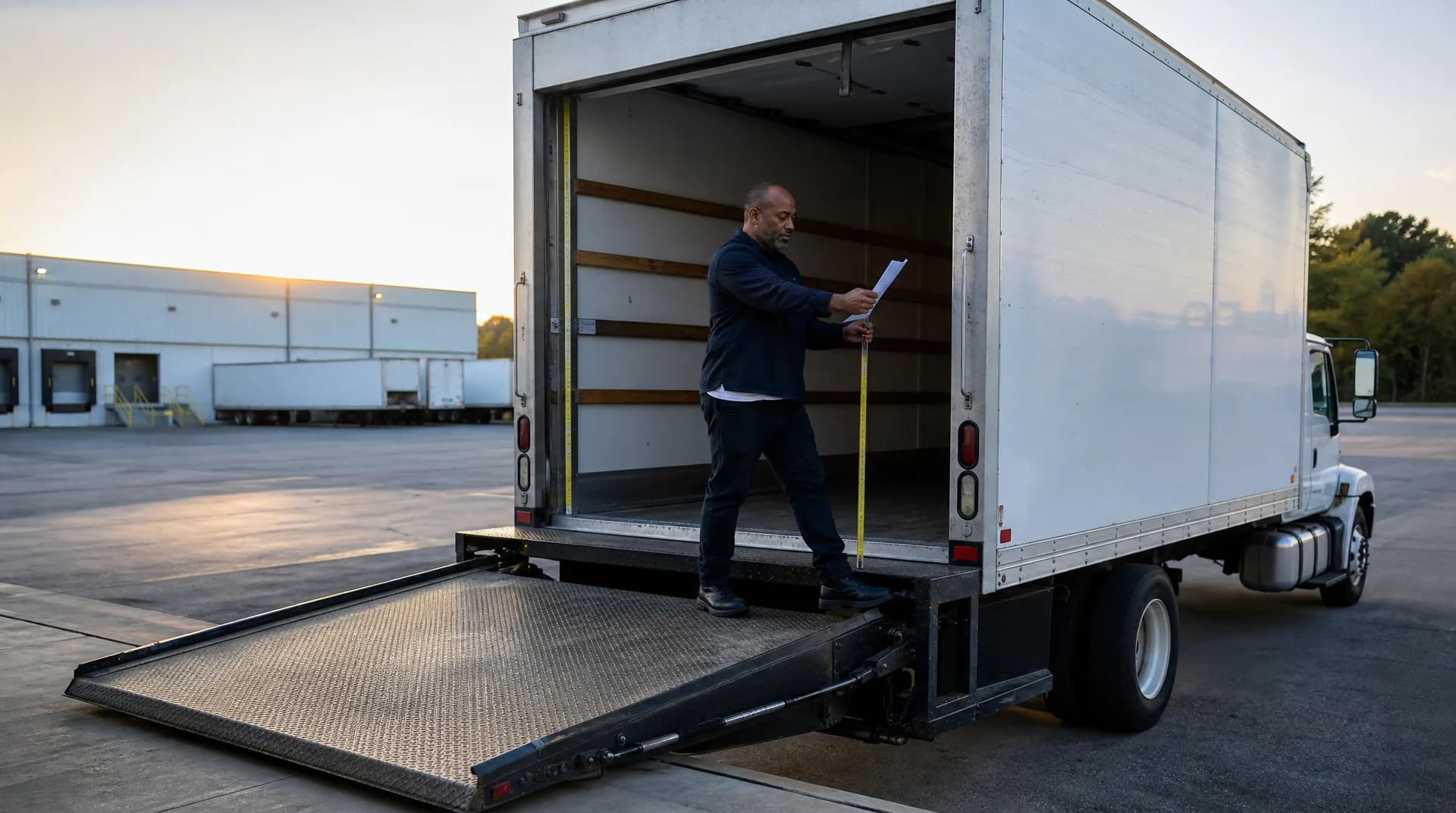
| Equipment | Tractors, and 16′ or 26′ box trucks with a tuck-under lift-gate | Carrier-specific. StarBriges: cargo van, Sprinter, box truck, straight truck |
| Authority | Interstate DOT authority active 180 days or more, plus a valid MC | Carrier-specific. StarBriges: your own active MC |
| Booking | Relay portal or app: load board, Post A Truck, auctions, round-trip contracts | Carrier-specific process |
| Pay | Weekly cycle, Sunday to Saturday, paid the following Friday | Compare each carrier’s terms. StarBriges: weekly direct deposit |
| Freight mix | Amazon loads; Amazon says most loads on its board are lightweight drop-and-hook | Depends on the carrier’s customers |
| Qualification | Application typically approved or rejected within 1 to 3 weeks | Carrier-specific. StarBriges: reviews your MC and truck details within one business day |
| Performance | Scorecard in the Relay portal; expectations include on-time delivery and tender acceptance | Ask the carrier how it measures performance |
The rows that rule most trucks in or out are equipment and authority age, so start there.

Ready to put your truck to work?
See whether your cargo van, Sprinter, box truck or straight truck fits StarBriges loads under your own MC. Send your MC and truck details and we’ll review them within one business day.
Apply with StarBriges →Can a cargo van or a Sprinter haul for Amazon Relay?
Not on the equipment list Relay publishes. The Relay FAQ lists tractors pulling 48′ trailers, 53′ dry vans, 53′ reefers or high cube containers, and two box trucks: a 26′ and a 16′, each with a functional tuck-under lift-gate. Cargo vans and Sprinters are not on that list.
That is a statement about Relay eligibility only. If you run a van, Relay is not your comparison, and the more useful question is how van owner-operators fill a week, which we cover in how cargo van and Sprinter owner-operators find loads. If you run a box truck, check the lift-gate first: a box truck without a tuck-under lift-gate does not match either box truck entry on the list.
What does Amazon require before you can book a Relay load?
In short, per the Relay FAQ:
- Authority: interstate DOT authority active for at least 180 days and a valid MC number, as a “Carrier” authorized for property and for hire. Amazon encourages applying early, but typically completes onboarding once your DOT number is 180 days old.
- Safety: an FMCSA safety rating of Satisfactory, None or Not Rated, and BASIC scores under Amazon’s thresholds: below 60% for Unsafe Driving and Hours of Service, below 75% for Vehicle Maintenance, Controlled Substances and Driver Fitness.
- Insurance: Amazon’s current FAQ lists commercial general liability of $1,000,000 per occurrence and $2,000,000 aggregate, auto liability of $1,000,000 per occurrence including $50,000 trailer replacement coverage, cargo coverage of at least $100,000, workers’ compensation in all jurisdictions where your company operates, and employer liability of $100,000 per occurrence.
Amazon’s own pages do not word the insurance lines identically. Its 2026 article on Relay insurance requirements describes the $50,000 as trailer interchange coverage for carriers running a semi, and workers’ compensation as a requirement for companies with W-2 employees. Confirm with Amazon and your insurance agent which lines apply to your business and your equipment. Amazon says application delays come from validating insurance information, so this is the step to settle before you apply. Insurance for cargo van and Sprinter owner-operators covers the basics if you are still building your coverage.
How is booking on Relay different from running with a carrier?
On Relay you book Amazon loads directly with Amazon, under your own authority. Amazon states that it does not tender loads through third-party load boards, and that its loads go only to approved carriers through the Relay web portal or the Relay mobile app. You book spot loads from the load board, post your truck, bid in auctions or take round-trip contracts, and Amazon says most loads on its board are lightweight drop-and-hook.
With a carrier, the carrier sources freight for your truck from its own customers. How that works day to day differs from carrier to carrier, which is why the table above says to ask.
What does the Relay scorecard mean when you are comparing?
Amazon lists four expectations in the Relay FAQ: compliance with safety, DOT and insurance requirements, on-time delivery, consistent tender acceptance, and running loads through Relay technology. You can see your performance for all of your loads on a scorecard in the Relay portal, and Amazon says it monitors compliance with internal teams and a third-party monitoring service.
Amazon also says its complete performance and safety expectations are in the Relay Program Policies, which you see when you onboard. When you compare, that means reading those policies before you plan your week around Relay, and asking any carrier the same question: how is performance measured, and what happens when you decline a load. The questions in reading a load offer help here too.
How do payment terms compare?
Amazon’s payment terms are published. Per the Relay FAQ, the payment cycle runs Sunday to Saturday, and loads completed before 23:59 on Saturday are paid the following week on Friday. Relay generates invoices automatically, and payment disputes go through the portal within 30 days of reviewing your weekly invoice.
Compare that against the terms you would get anywhere else, in writing: how often you are paid, how many days after delivery, who prepares the paperwork and what gets deducted. At StarBriges payments are weekly direct deposits. Whatever you compare, look at the gap between delivering a load and having the money in your account, because that gap is what you finance yourself.
We do not quote Relay rates here. Judge a Relay load the way you would judge any other: revenue against all the miles it takes, including the empty ones back, which is the arithmetic in deadhead and empty miles.
When is Relay an option, and when is a carrier?
Relay may be an option to compare if all of these are true:
- You run a 16′ or 26′ box truck with a tuck-under lift-gate, or a tractor.
- Your interstate authority has been active for 180 days or more.
- Your insurance meets the lines Amazon lists for your business, or you have priced what it costs to get there.
- Your BASIC scores sit under Amazon’s thresholds.
Meeting those requirements makes you eligible. It does not tell you Relay pays better for your truck, so run the numbers on real loads before you decide. A carrier relationship is the comparison to make if you run a cargo van or a Sprinter, if your authority is younger than 180 days, or if you want freight from more than one shipper’s network. If you are weighing a change from your current setup, switching dispatch services or carriers walks through leaving cleanly.
The rest of the series is in our owner-operator guides, and if you already have your own truck and MC, running with StarBriges starts with a look at your MC and your truck and an answer inside one business day.