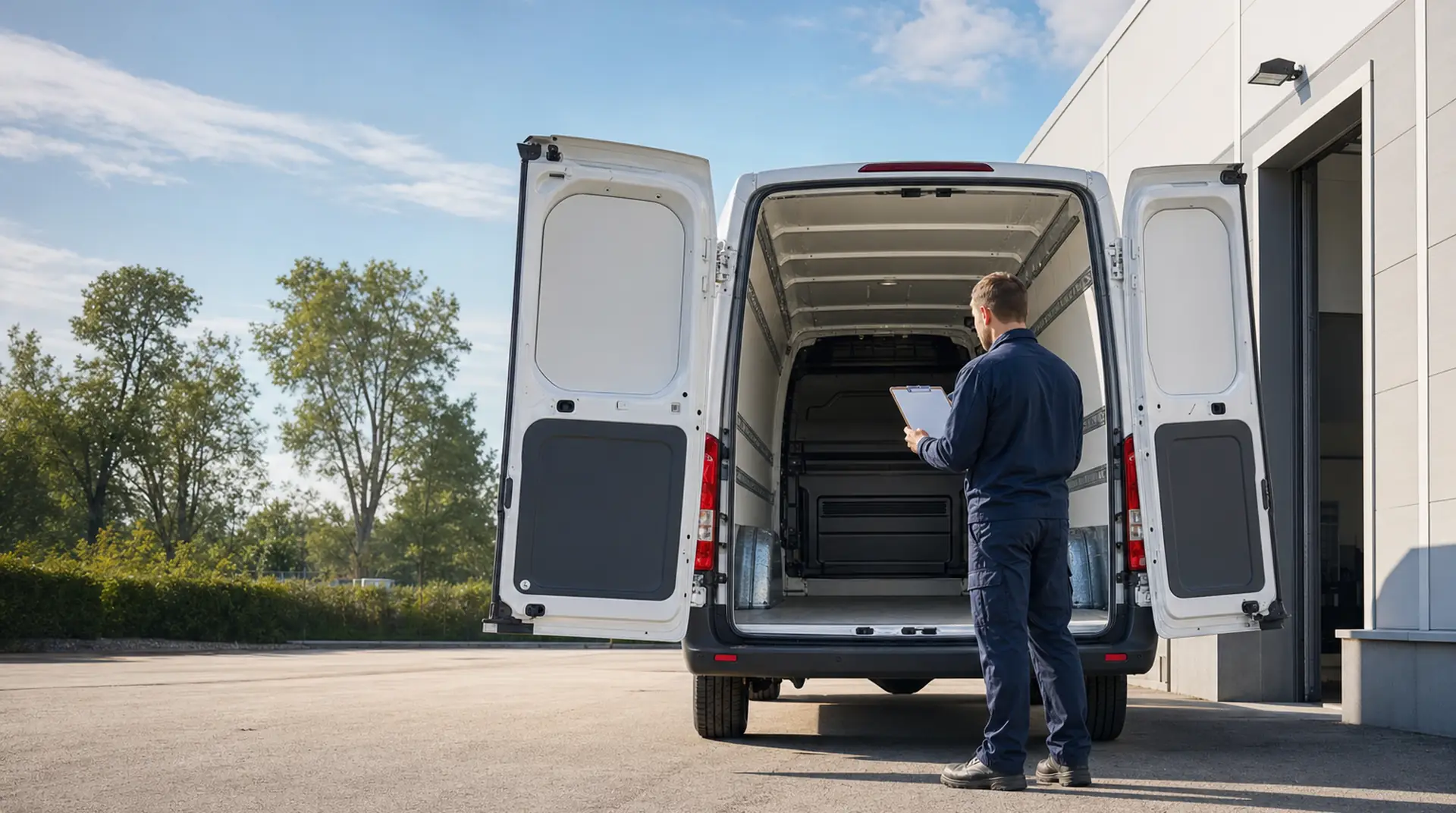
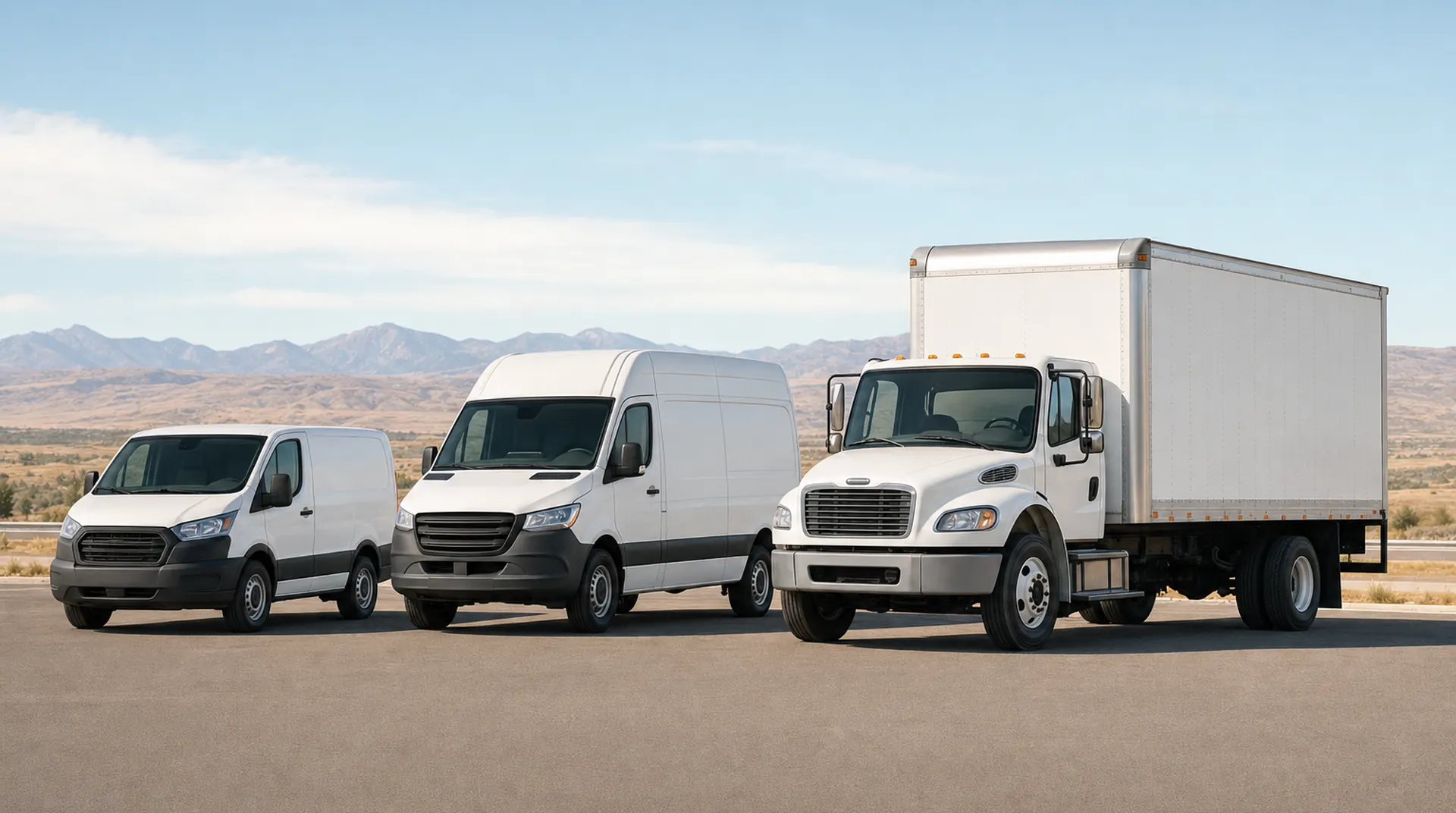
There are three ways to keep a van loaded: bid for freight yourself on a public load board, pay a dispatch service to bid for you, or sign with a carrier that hands you freight directly. Most owner-operators try them in that order and settle on the third once they get tired of empty miles.
How do cargo van owner-operators find loads?
Every load reaches you through one of those three channels, and they differ mainly in who does the searching and who absorbs the risk of an empty day.
On a load board you see the same posting as everyone else and compete on price and response speed. With a dispatch service someone bids on your behalf for a percentage or a flat weekly fee. With a carrier partner the freight is already contracted before it reaches you, and the team behind you is there to keep your wheels turning rather than to win an auction.
None of the three is automatically better. They suit different tolerances for risk, admin, and sitting still.
Are load boards worth it for a cargo van?
They are the obvious starting point and the hardest place to build a stable week.
The problem is not that the freight is bad. It is that expedited van loads are time-critical and get claimed in minutes, so board work rewards whoever is staring at the screen when the posting appears. That is fine on day one. By month three you notice you are being paid to refresh a browser, and that the loads you win are disproportionately the ones nobody else wanted - which usually means they end somewhere with no freight going back out.
Boards are also where deadhead is invisible. A posting that pays well going out will quietly cost you the return trip, and the board has no reason to tell you.
Use boards to learn what your lanes actually pay. Do not build a business on them.
What does a dispatch service actually do?
A dispatch service finds and books freight for you, usually for a percentage of the load or a flat weekly rate, and often handles your paperwork and broker setups too.
The honest limitation: a dispatch service is generally bidding on the same public freight you could bid on yourself. It buys you time and a bit of negotiating experience - real value if you hate the phone - but it does not give you access to freight that does not exist on the open market. When you compare offers, ask exactly that question: is this freight yours, or are you finding it where I could find it?
How does running with a carrier differ?
The freight comes from the carrier’s own customers, so it is contracted before you see it.
That changes the shape of your week more than the rate on any single load. You are not competing for each run, you are being assigned from a book of business, which means your next load can be planned while you are still on the current one. That is where the empty miles go - not by finding you a better rate, but by finding you a load that starts where the last one ended.
At StarBriges that book is expedited and time-critical freight: expedited runs, LTL, same-day delivery, airport recovery, and cross-border. We cover 48 states with a network of more than 1,000 owner-operators, and loads are never forced - you see the load and you decide.
How do you cut deadhead miles?
Deadhead is the number that quietly decides whether the year works, and it is the one drivers track least.
Three things move it. Know your real cost per mile, loaded and empty, so you can tell a good rate from a busy one. Look at where a load ends, not just what it pays - a strong rate into a market with no outbound freight is a weak load. And tell us where you want to be, because a team that knows you want to end the week near home can plan for it, and a load board never will.
Drivers who cut deadhead rarely do it by negotiating harder. They do it by stringing loads together instead of buying them one at a time.
Which channel fits you right now?
If you are brand new and still learning your lanes, run boards for a few weeks with your eyes open and treat the losses as tuition. If you are competent but tired of the admin, a dispatch service buys back your evenings. If your problem is empty miles and unpredictable weeks, that is a freight-supply problem, and only a carrier with its own customers fixes it.
Most owner-operators end up running a carrier partnership as their base and keeping a board account open for the occasional gap.
Frequently asked questions
How do I get loads for my cargo van?
Through a public load board, a dispatch service that bids for you, or a carrier that assigns you freight from its own customers. Boards are the easiest to start with; carrier freight is the most consistent.
What is the best load board for cargo vans?
The right question is usually not which board, but whether a board is the right channel at all. Boards work for filling gaps and learning your lanes; they are a poor foundation for a predictable week because you are competing on speed for freight anyone can see.
Do I need my own authority to get van loads?
For StarBriges, yes - we partner with carriers who hold their own truck and their own MC authority. Requirements differ by carrier.
How fast can I get my first load?
With StarBriges you can be loaded within 24 hours.
Do I have to take every load I am offered?
Not with us. Loads are never forced - you see the load and you decide.
Want freight that comes to you instead of the other way round?
Apply in a minute and get 24/7 support on the road, with your next load planned while you are still on this one. Call +1 (980) 981-4749.