Expedited Shipping
Time-critical expedited freight: line-down, hot loads, AOG, cross-border emergency.
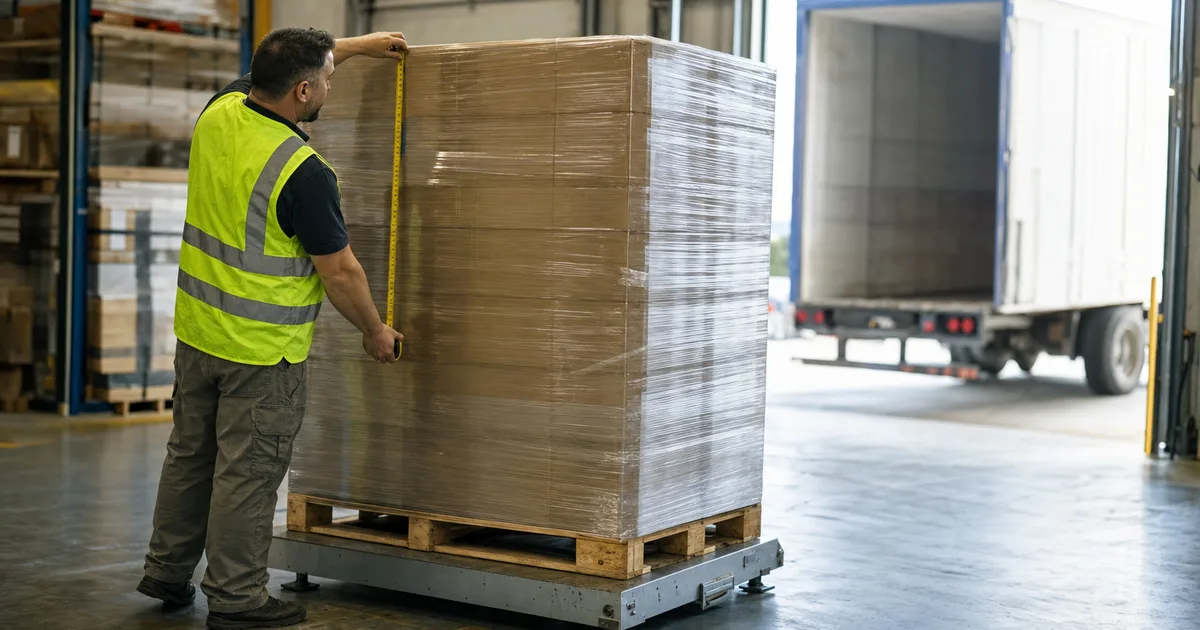
The freight class on your bill of lading is the class your LTL quote was priced at. If the carrier inspects the shipment at a terminal and finds a different class, the bill changes after the freight has moved: the freight charge is rerated at the new class, and both carrier rules tariffs quoted in […]
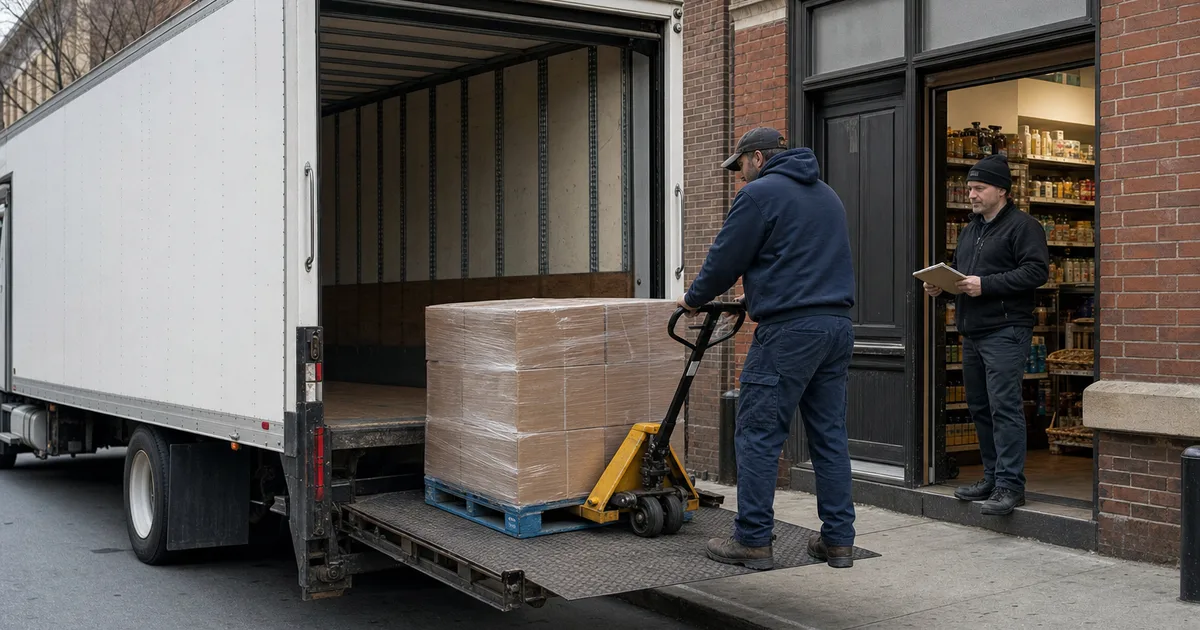
A freight quote is priced on what the carrier expects at the delivery end: a truck backs up to a dock door, someone signs, and the driver leaves. When the delivery address turns out to have no dock, to be a house, to sit behind a security gate or to need the freight on the […]

The bill of lading is the paper the driver signs when your freight leaves the dock. Federal rules require the carrier to issue a receipt or bill of lading for the freight it picks up, and 49 CFR 373.101 lists the minimum it must show: consignor and consignee, origin and destination, number of packages, a […]
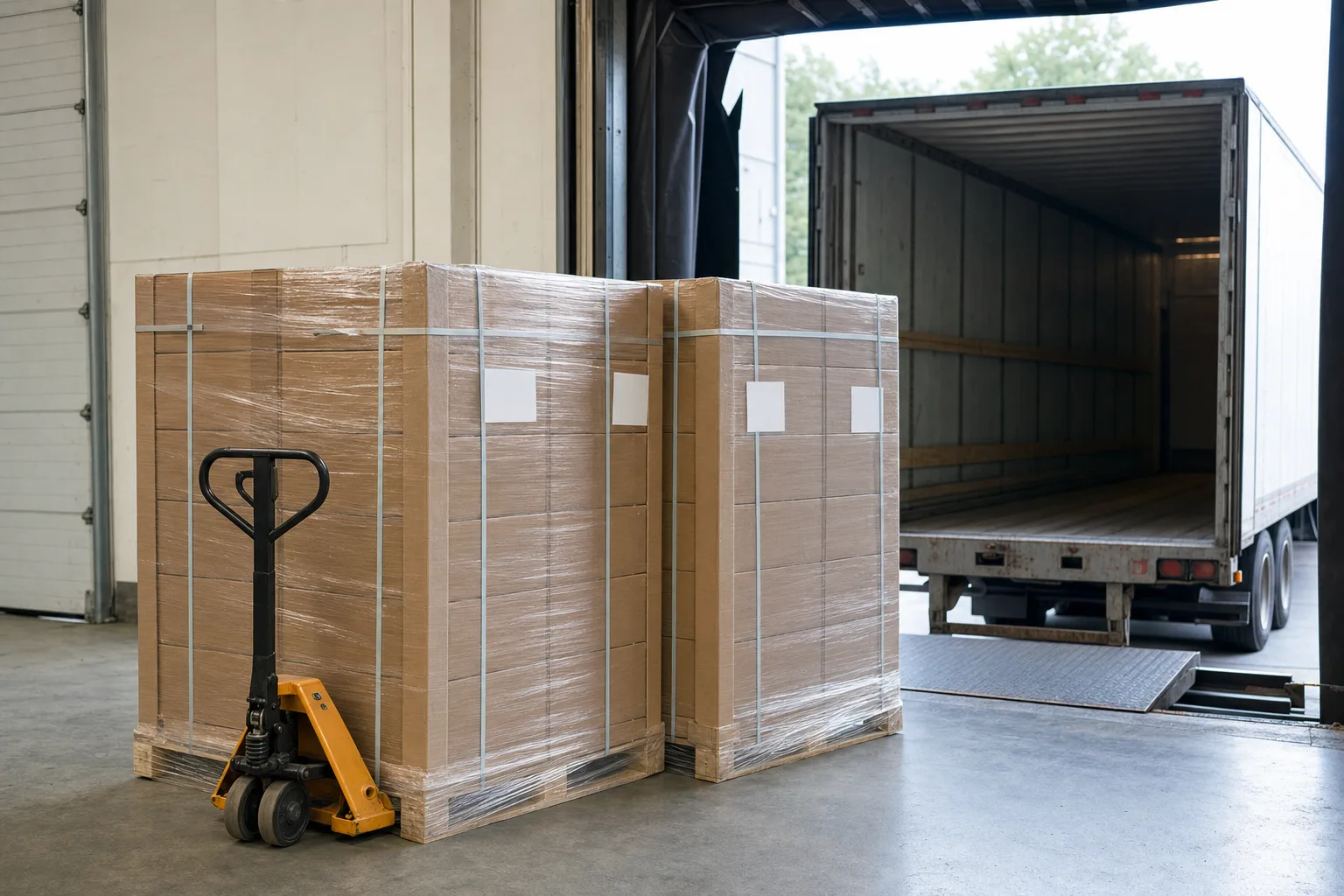
An LTL pallet shares a trailer with other shippers’ freight and moves through carrier terminals on the way to its destination. Old Dominion puts it at eight to 10 handlings on average between your dock and the final destination. Every one of those is a forklift, a pallet jack or a crossdock move, and the […]

A pallet arrives crushed, a crate is short two cartons, or a whole shipment never shows up. For freight moving between states by truck, what happens next is set by one federal statute, 49 U.S.C. 14706, known as the Carmack Amendment, and one set of federal claim rules, 49 CFR Part 370. Between them they […]
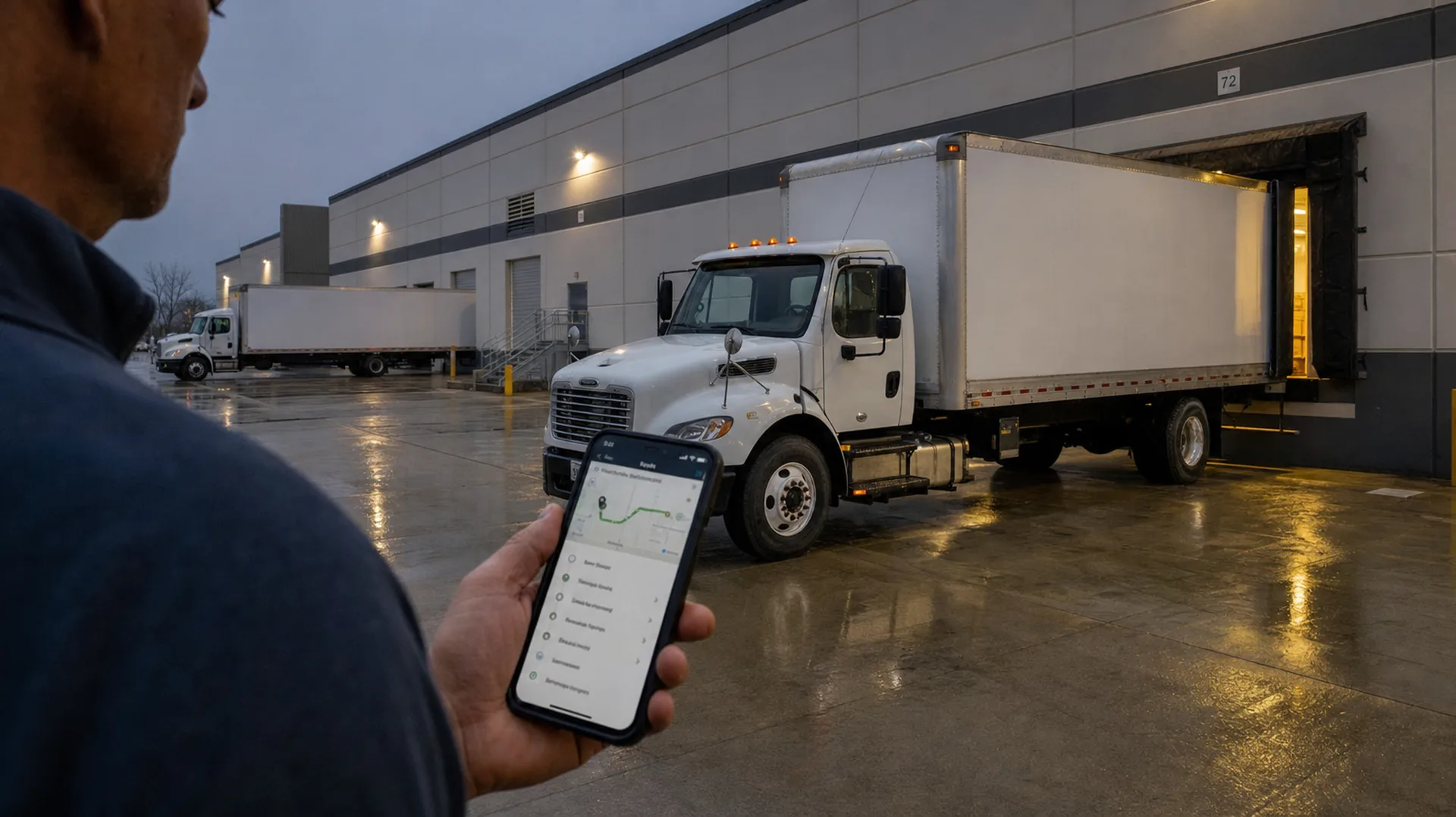
Cargo theft in 2026 is less about someone cutting a lock in a parking lot and more about someone posing as a party the shipper already trusts. Verisk CargoNet counted 677 incidents in the United States and Canada in the second quarter of 2026, 26% fewer than a year earlier. Estimated losses went the other […]
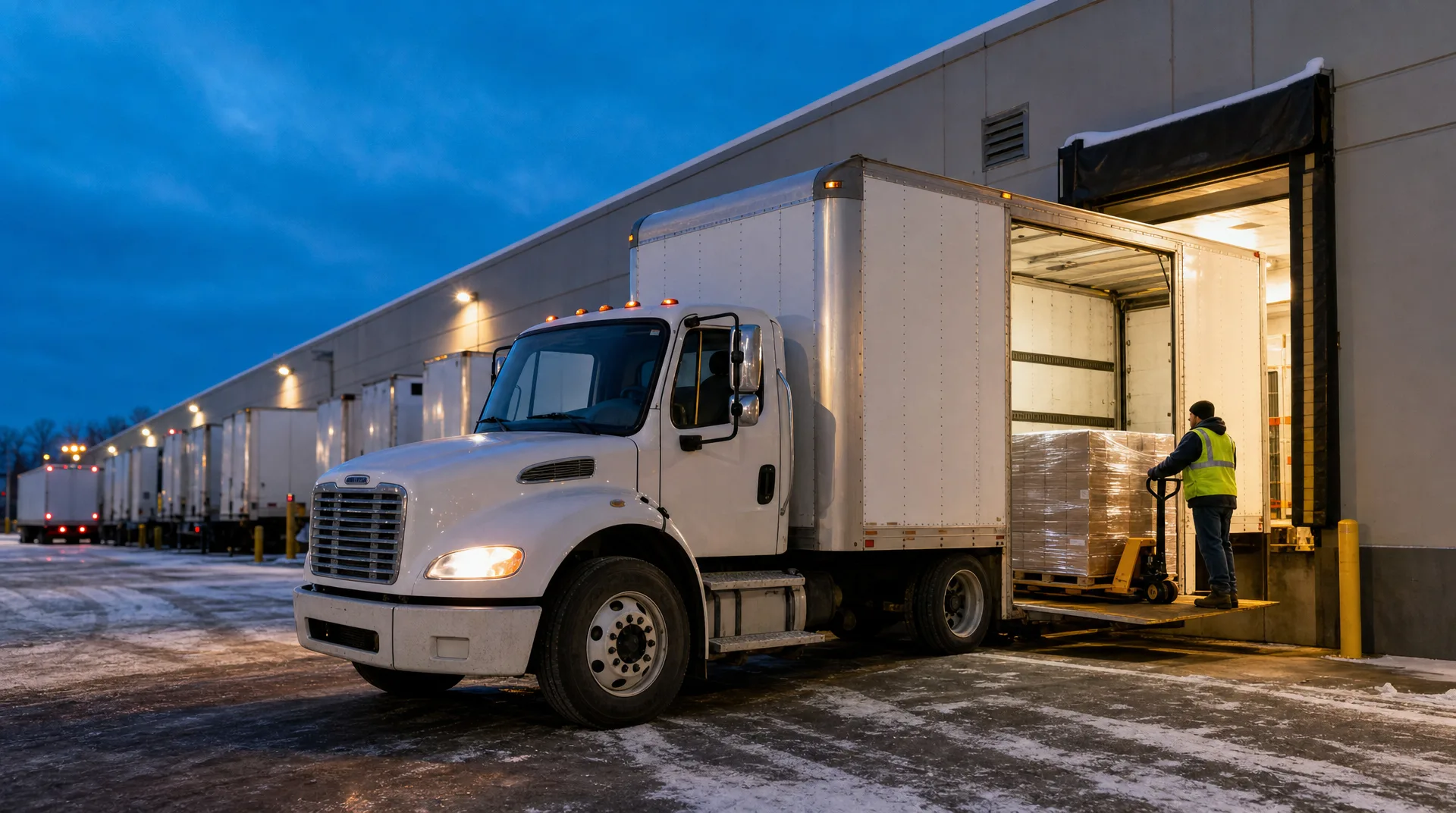
In November and December, urgent freight competes with holiday volume for the same trucks and docks. Plan the fallback before the normal network fills.
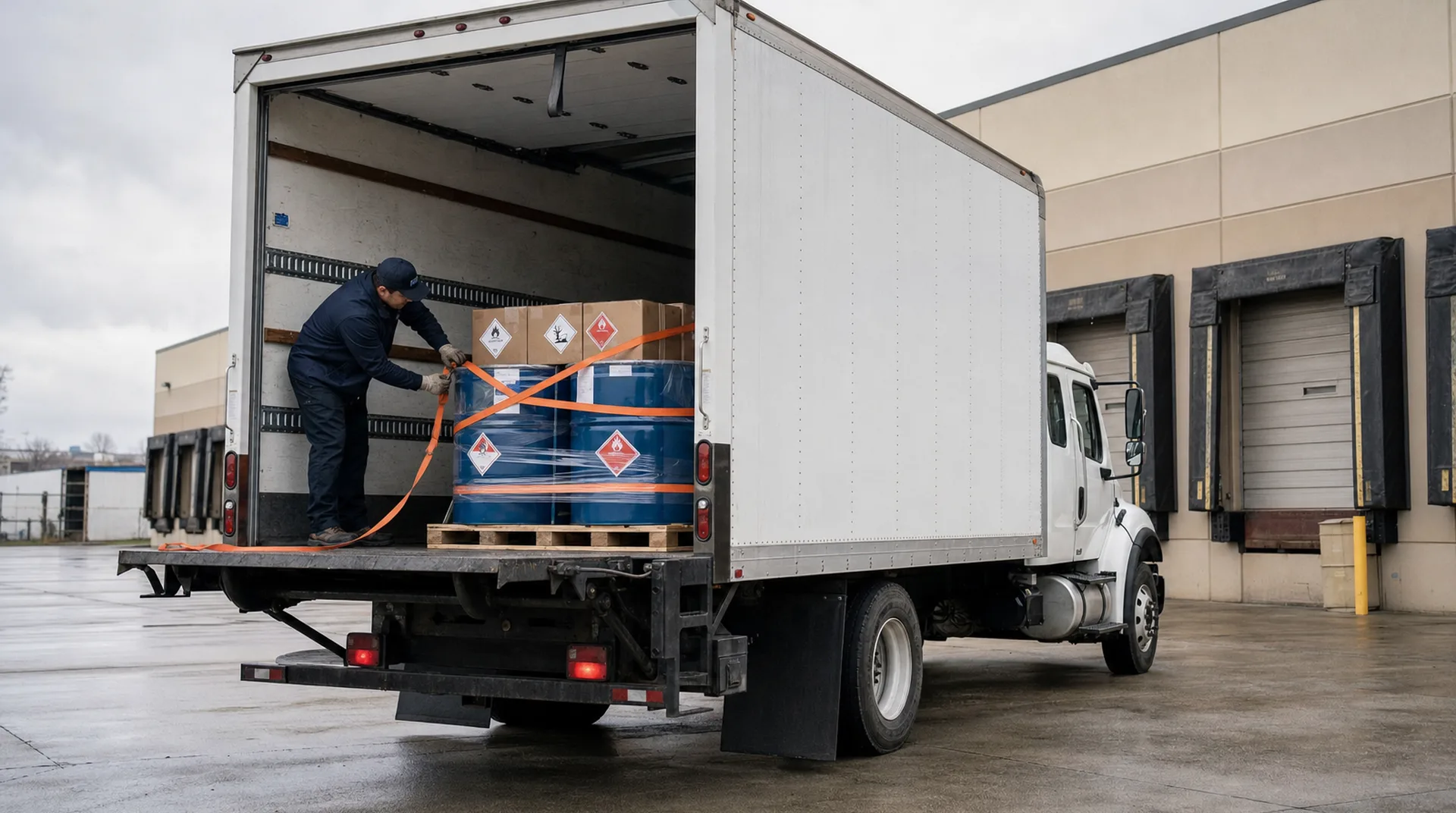
Hazmat does not slow down the clock. It tightens it. Placards, segregation, paperwork, and qualified drivers all have to align before the load moves at all.
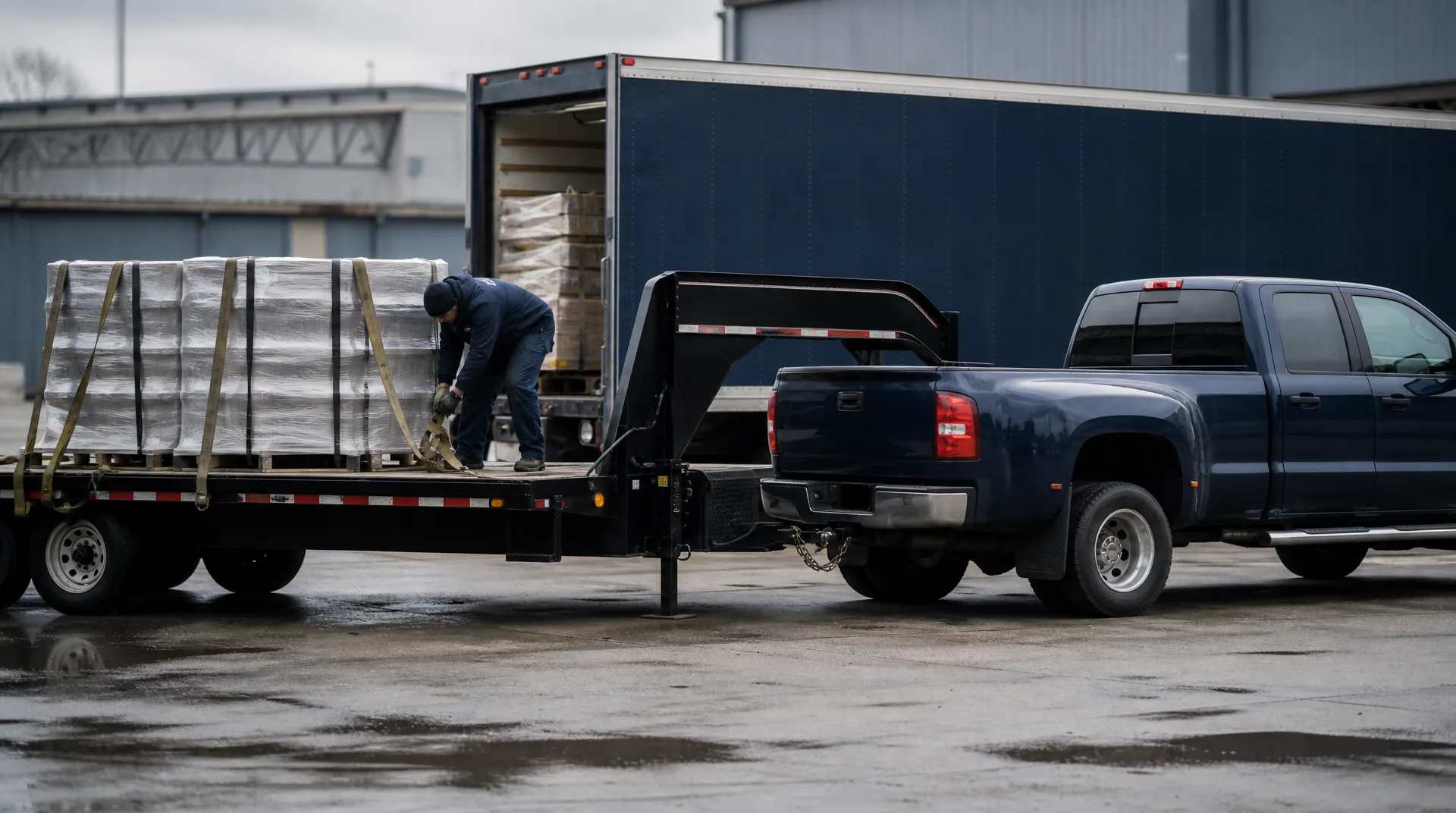
A hot-shot rate looks cheapest until one driver’s hours-of-service clock runs out mid-lane. The choice is whether your deadline can ride on a single truck.
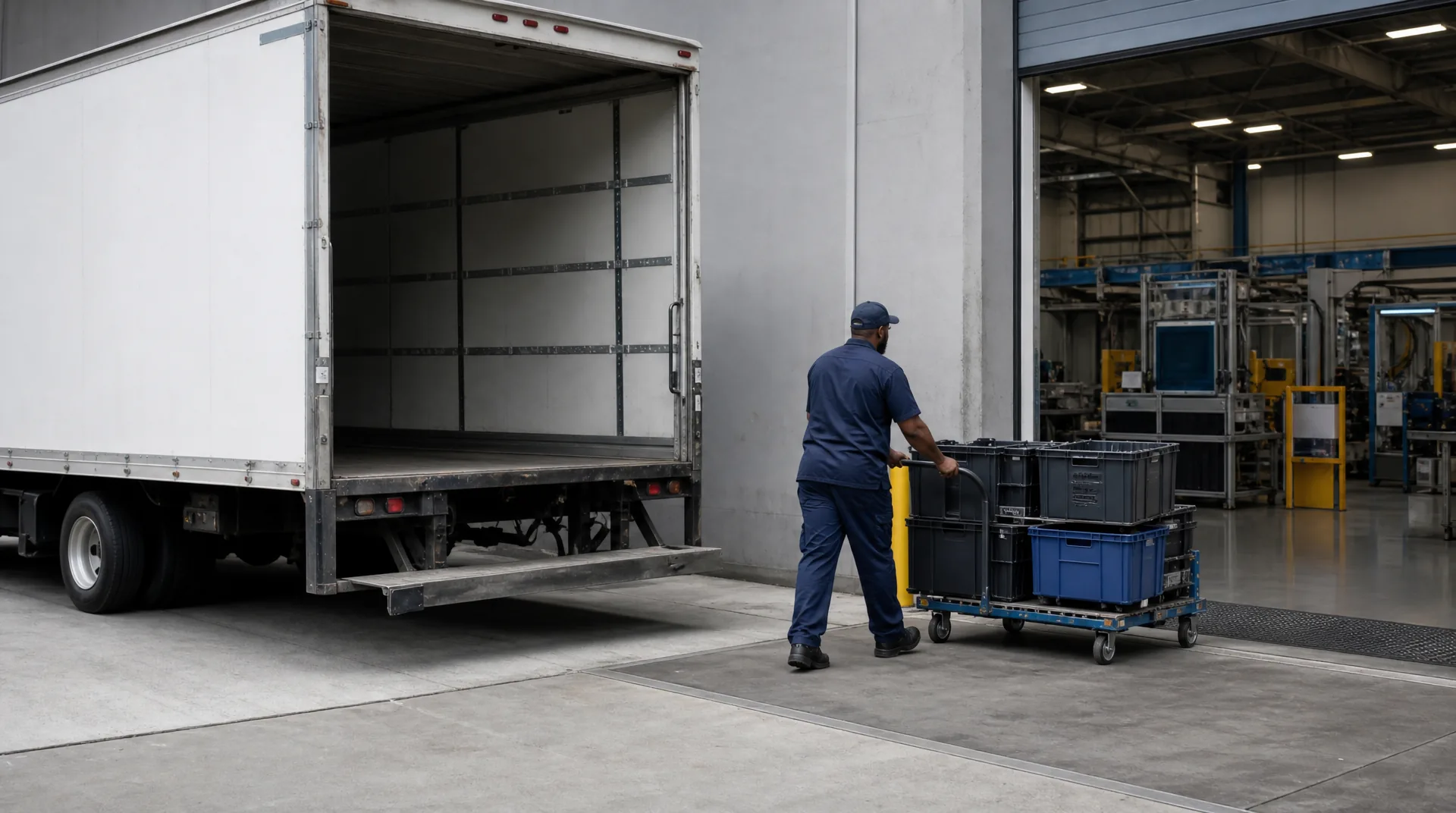
JIT runs on the assumption that every load lands inside its window. The freight side of JIT is dispatch discipline, not luck, and the cost of a miss is set by the receiver, not the carrier.
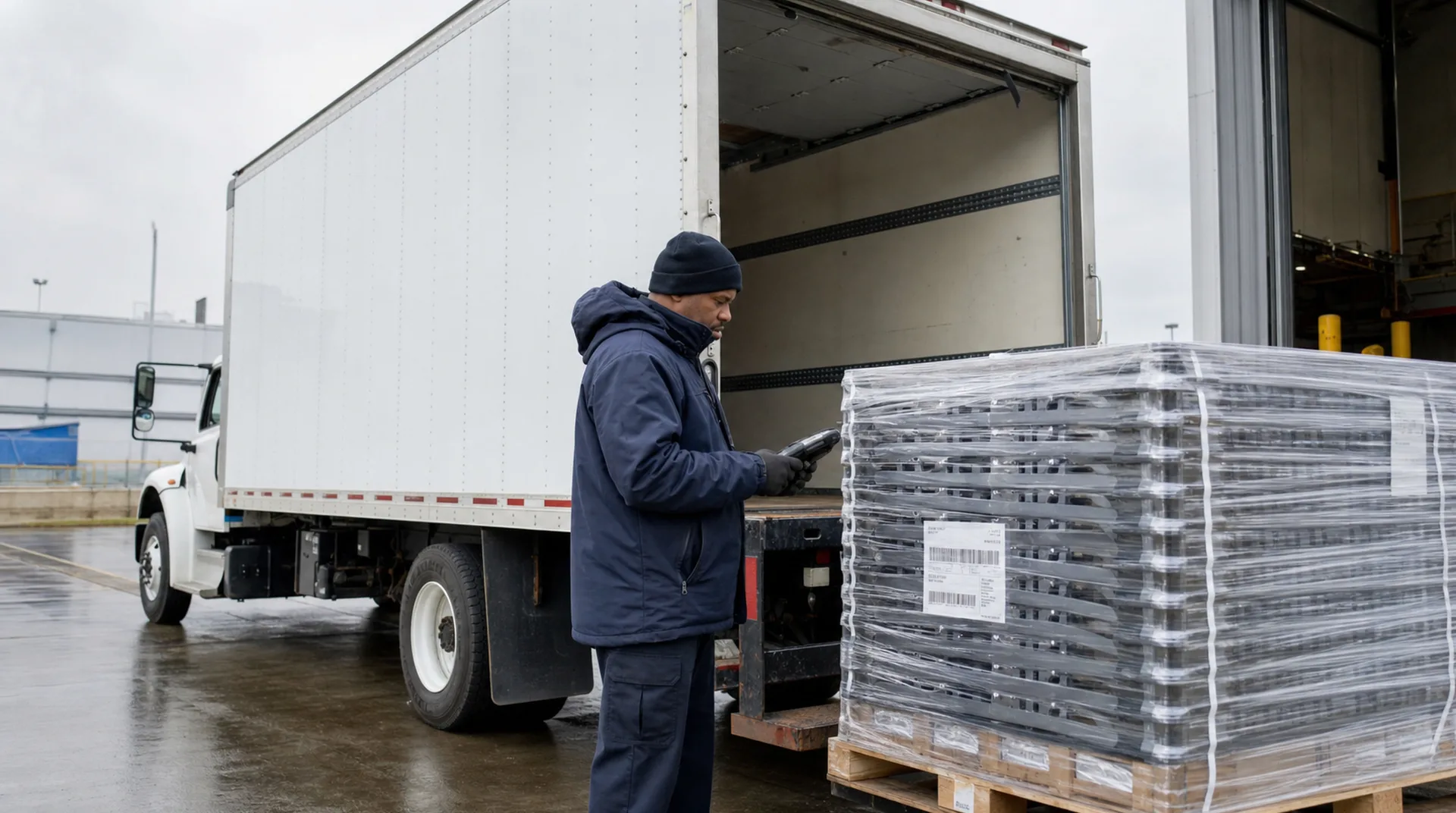
When the OEM calls a containment, parts and finished units have to move on a clock that is set by safety, regulators, and dealer dwell, not a standard transit table.
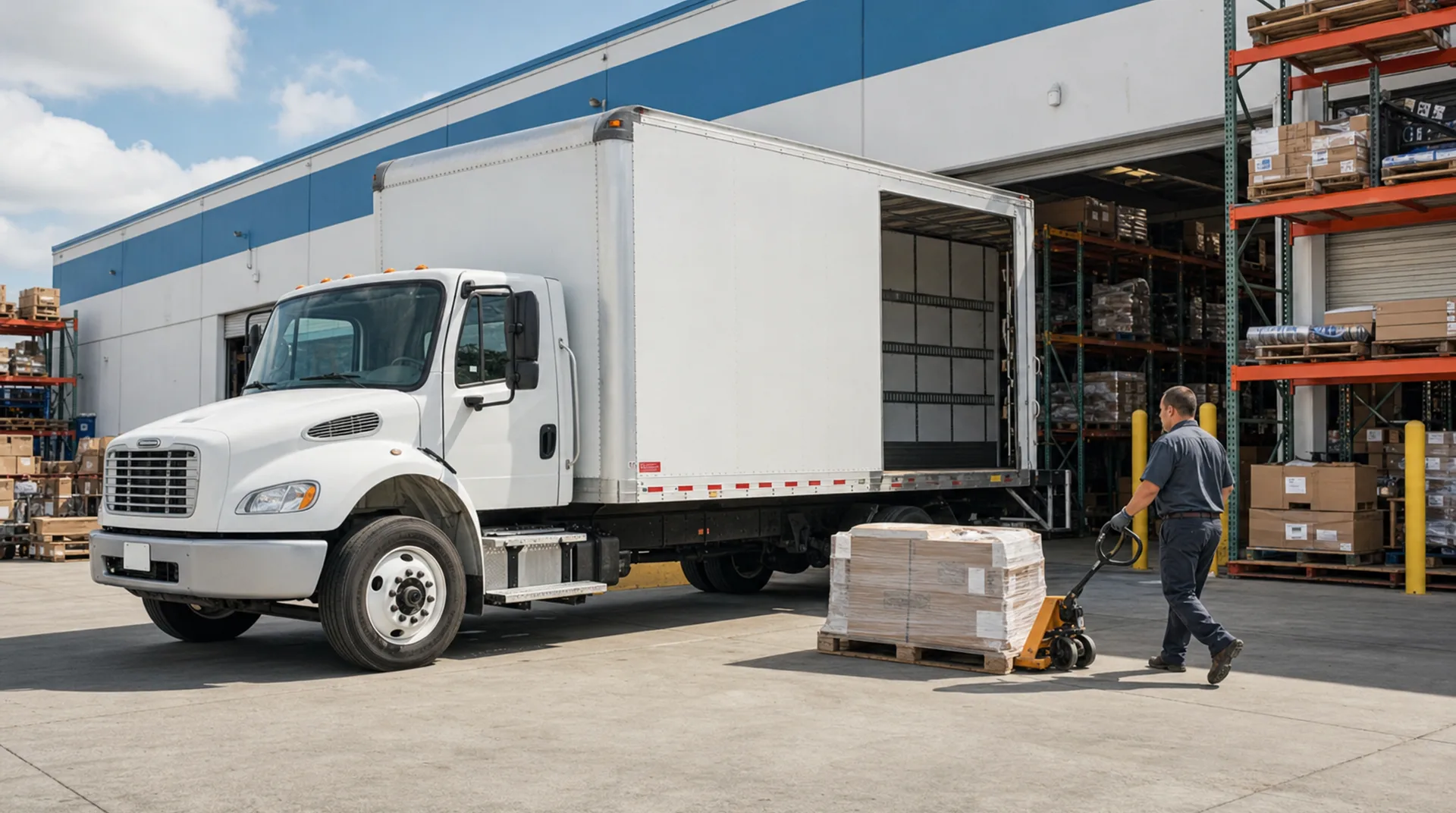
An automotive supply chain runs on tight tolerance for delay: a single missed part shuts a line, and the cost of that line cascades through tier-1 and tier-2 suppliers.