Freight & Logistics Insights
Operational notes on expedited freight, LTL, same-day, and industry-specific logistics from the Starbriges team. Built for shippers and logistics managers.
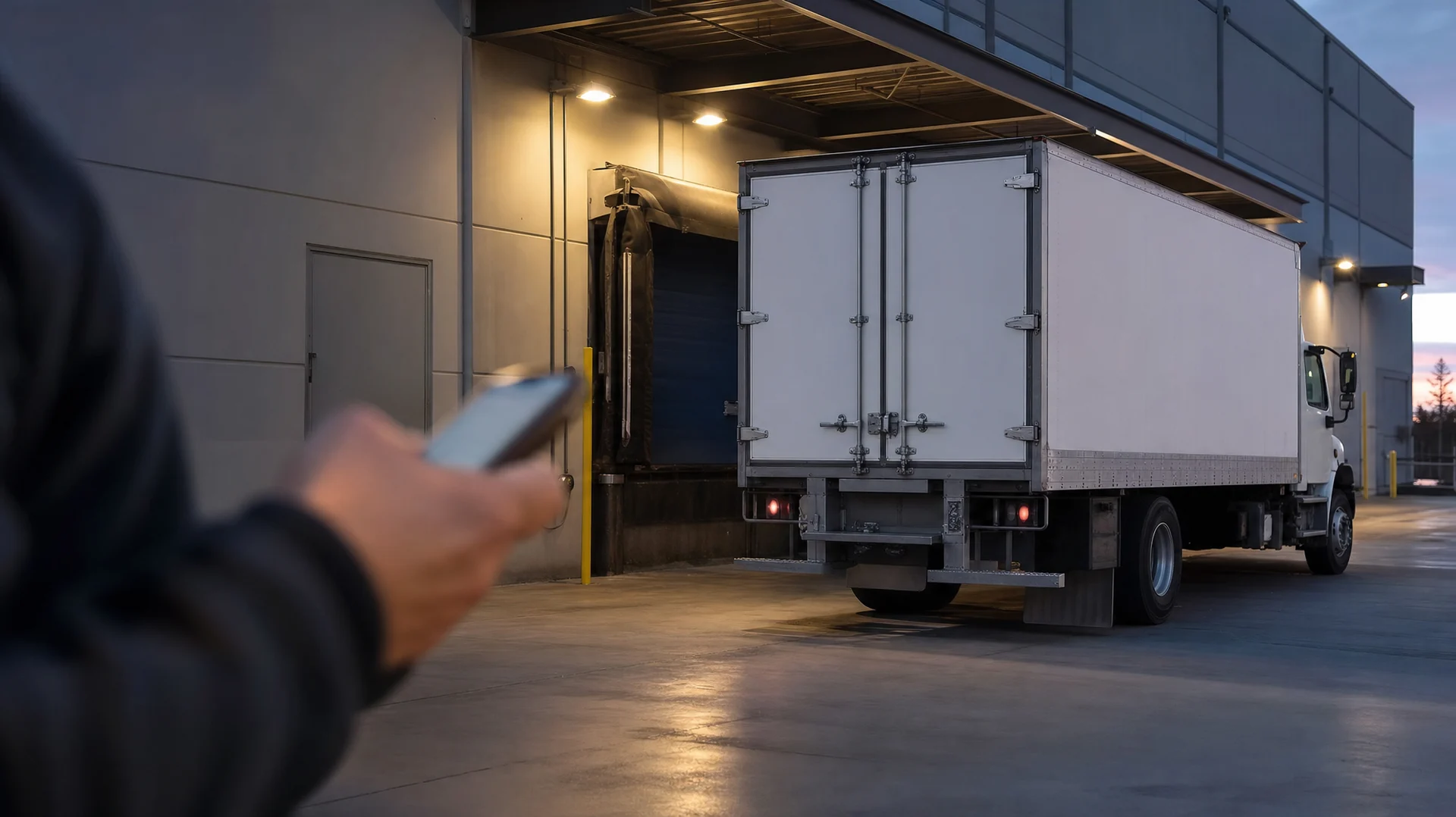
Cargo theft in 2026 is less about someone cutting a lock in a parking lot and more about someone posing as a party the shipper already trusts. Verisk CargoNet counted 677 incidents in the United States and Canada in the second quarter of 2026, 26% fewer than a year earlier. Estimated losses went the other […]
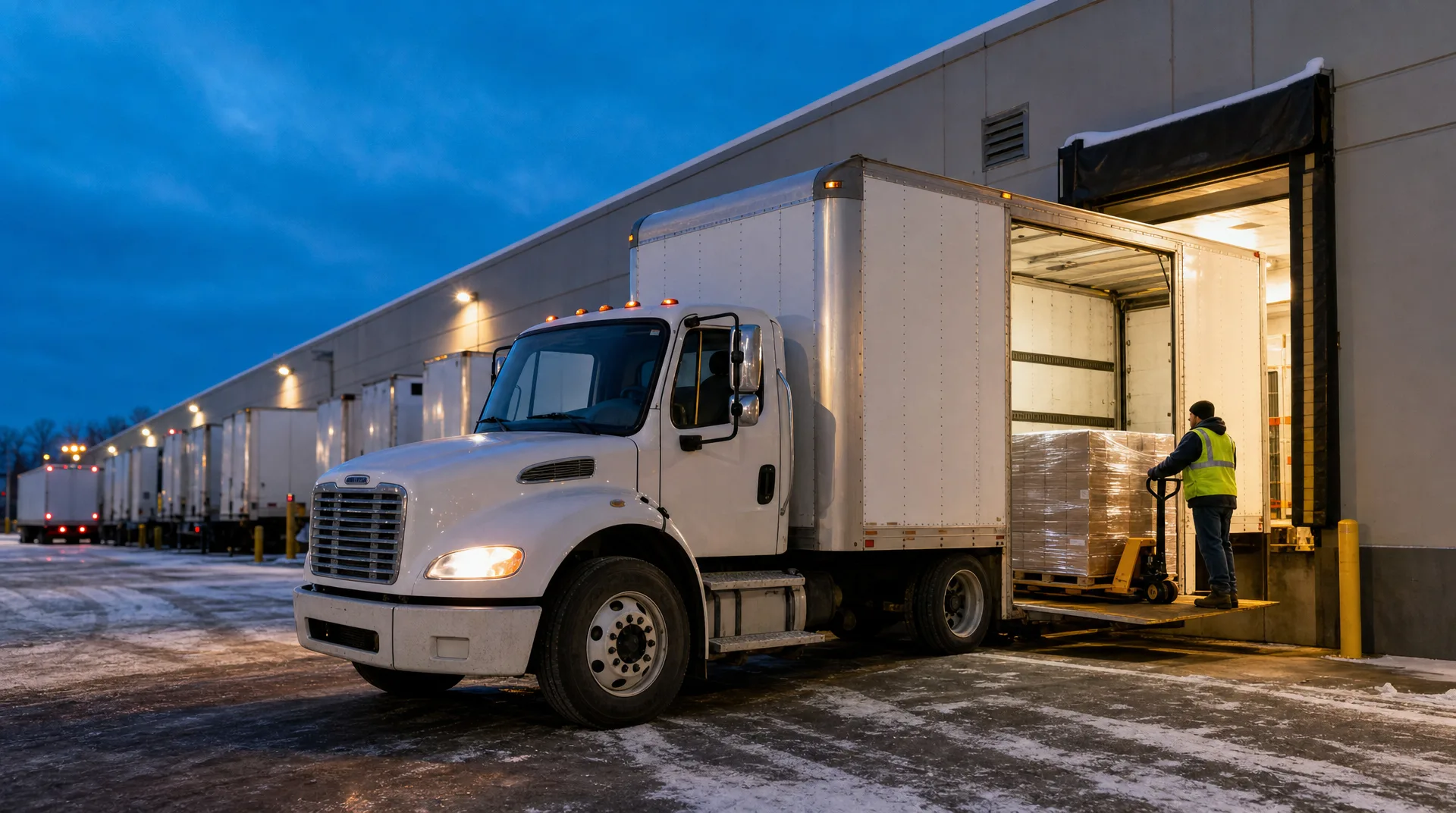
In November and December, urgent freight competes with holiday volume for the same trucks and docks. Plan the fallback before the normal network fills.
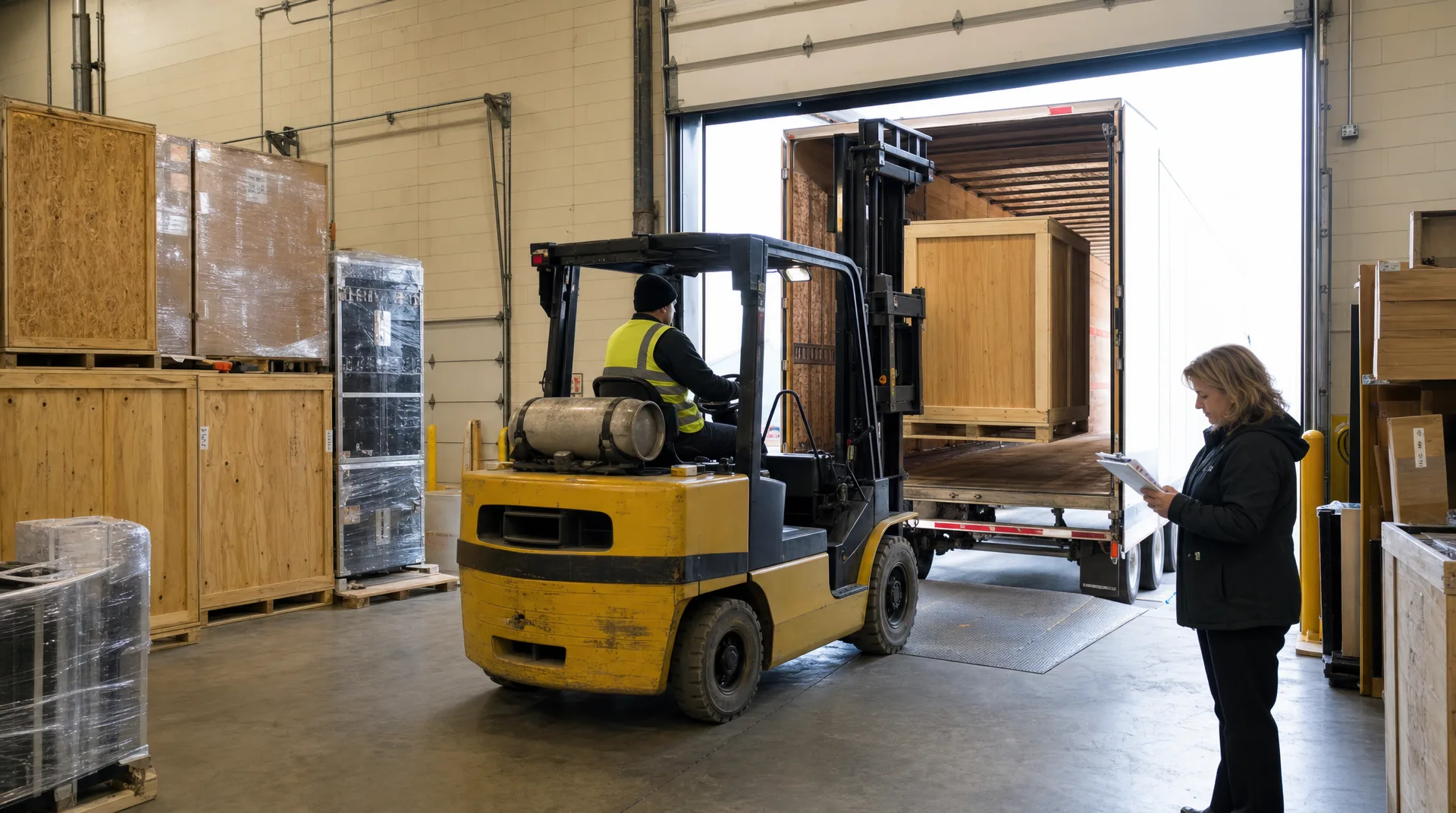
The freight quote is rarely the last number on a trade show bill. Material handling, surcharges, and return freight decide what the booth really costs to ship.
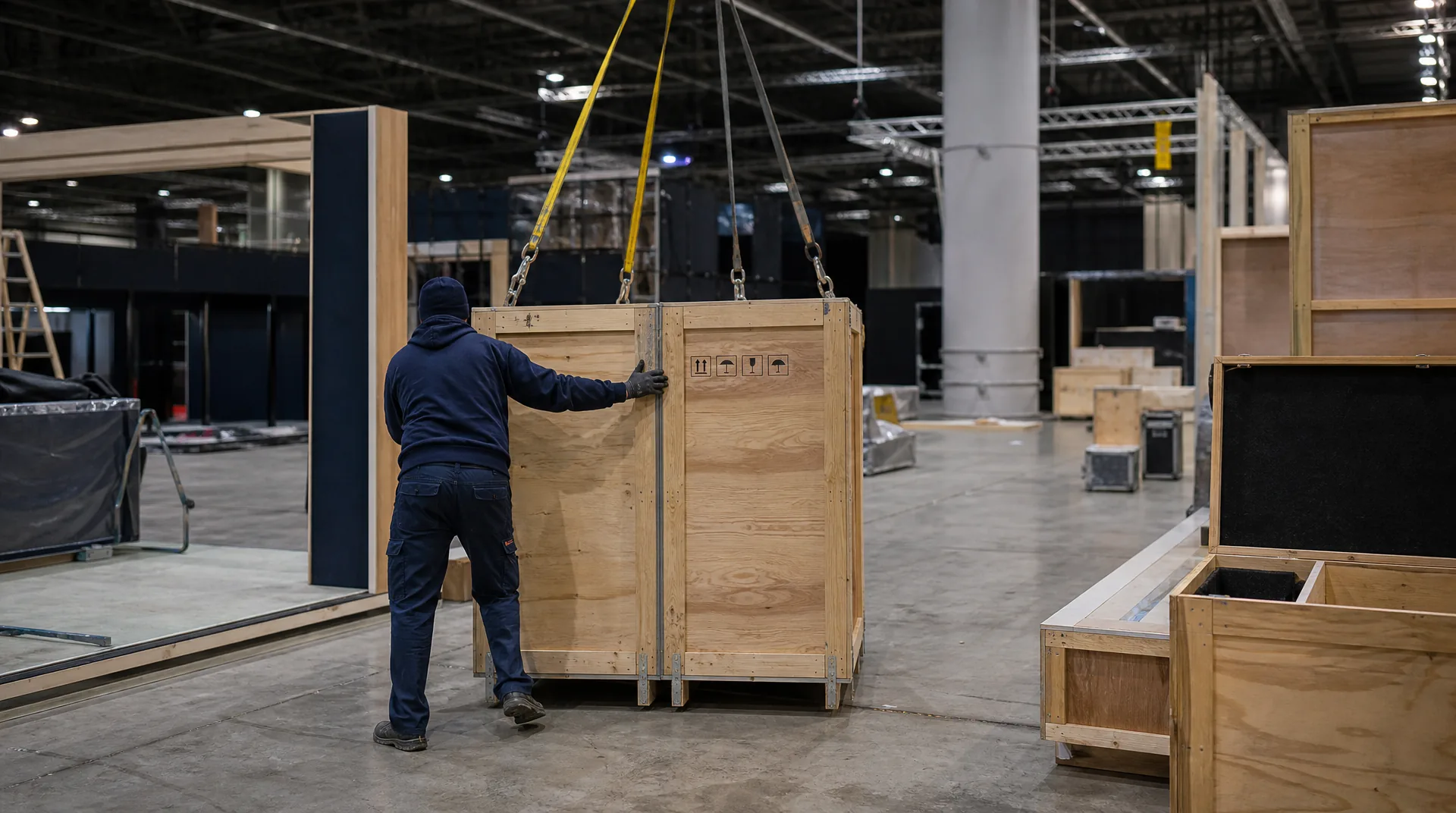
Install-and-dismantle freight has its own clock: target moves, marshalling yards, drayage, and forced freight rules. Miss any of them and the booth misses opening day.
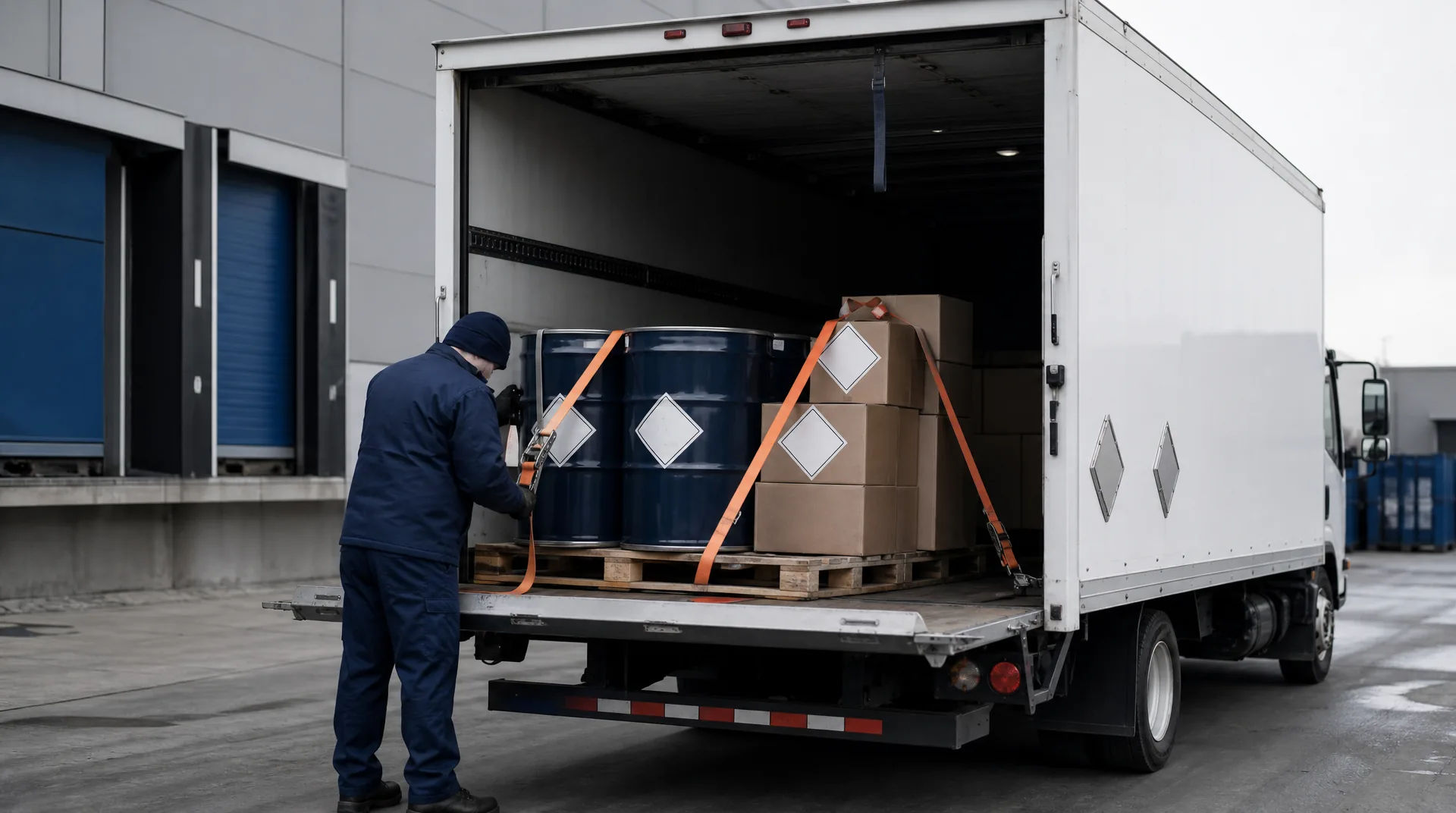
Hazmat does not slow down the clock. It tightens it. Placards, segregation, paperwork, and qualified drivers all have to align before the load moves at all.
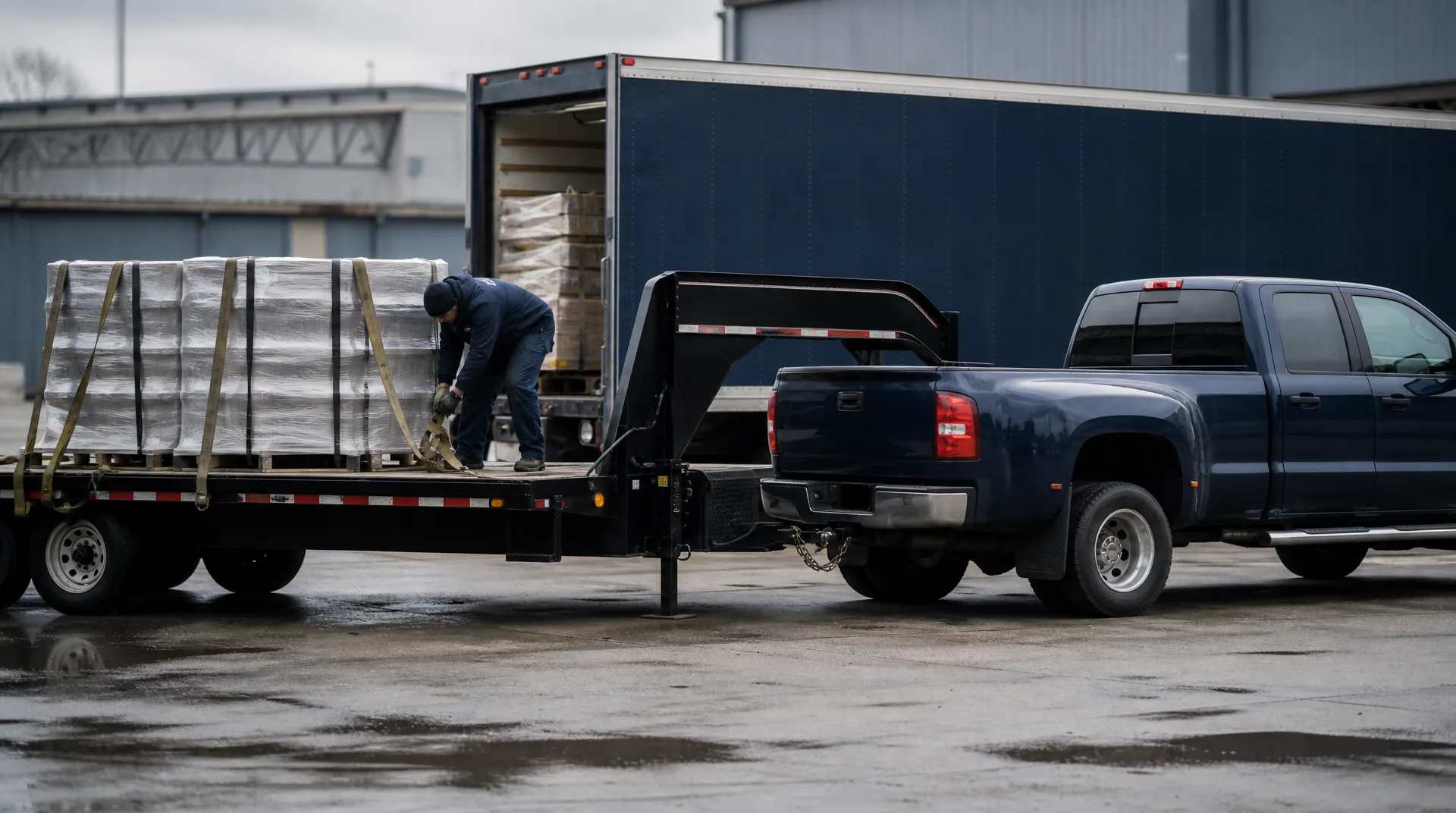
A hot-shot rate looks cheapest until one driver’s hours-of-service clock runs out mid-lane. The choice is whether your deadline can ride on a single truck.
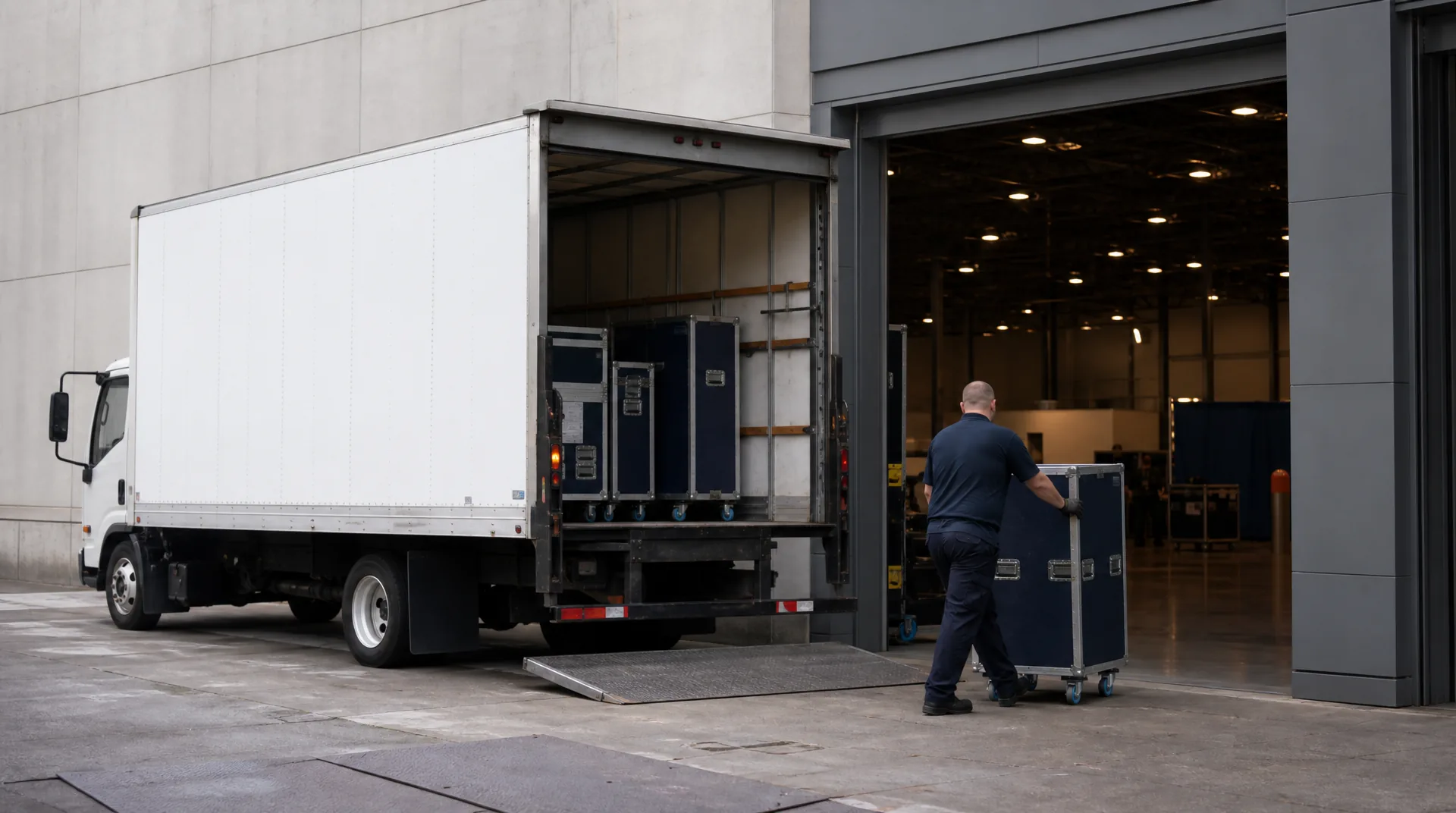
Skipping the marshalling yard and routing direct to show site moves the booth faster, when the show allows it, the dock has capacity, and your driver hits the target window.
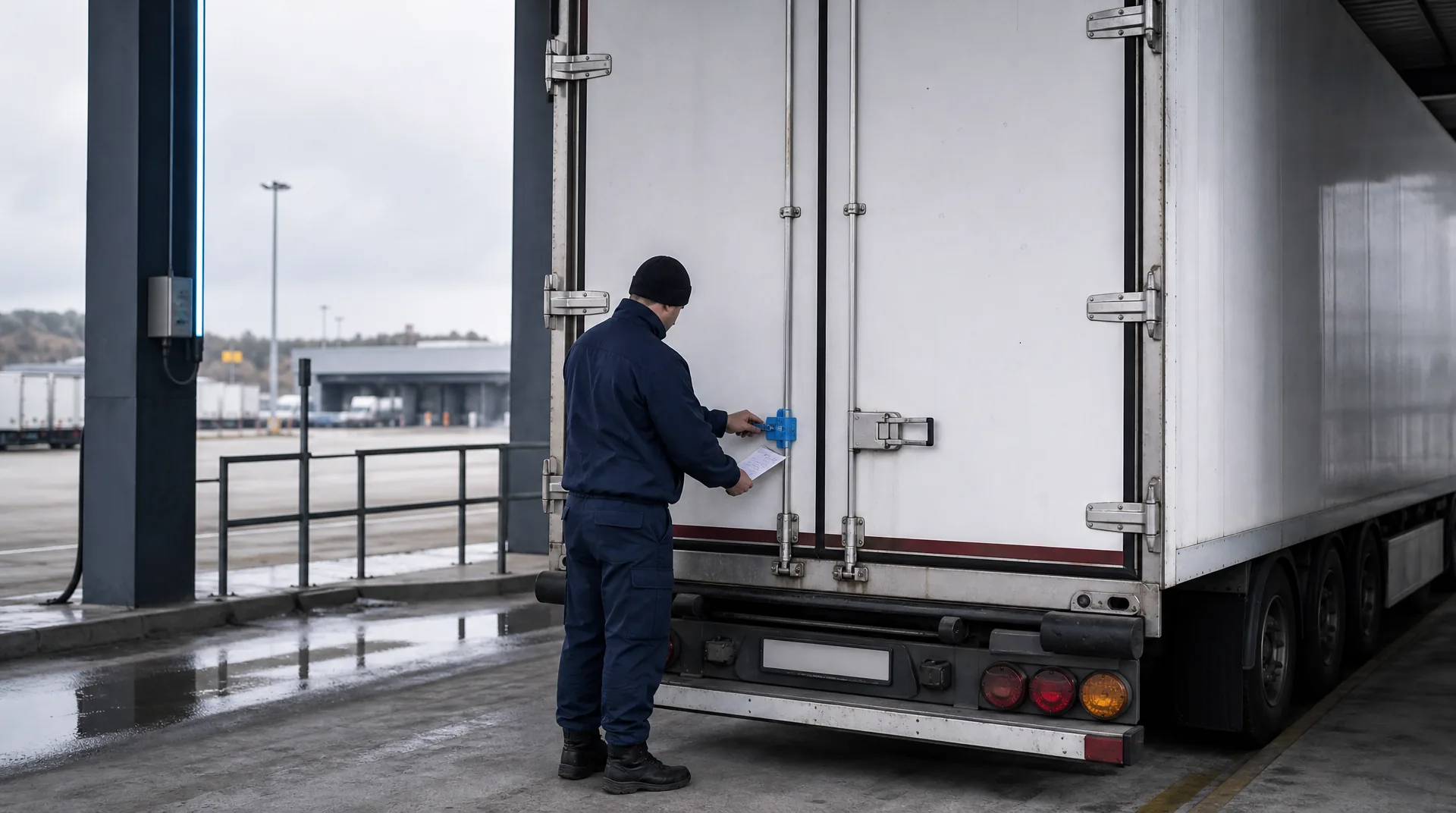
An in-bond move lets cargo travel through the US under customs control without formal entry at the first port. Bonded carriers, T&E vs IT entries, and where it goes wrong.
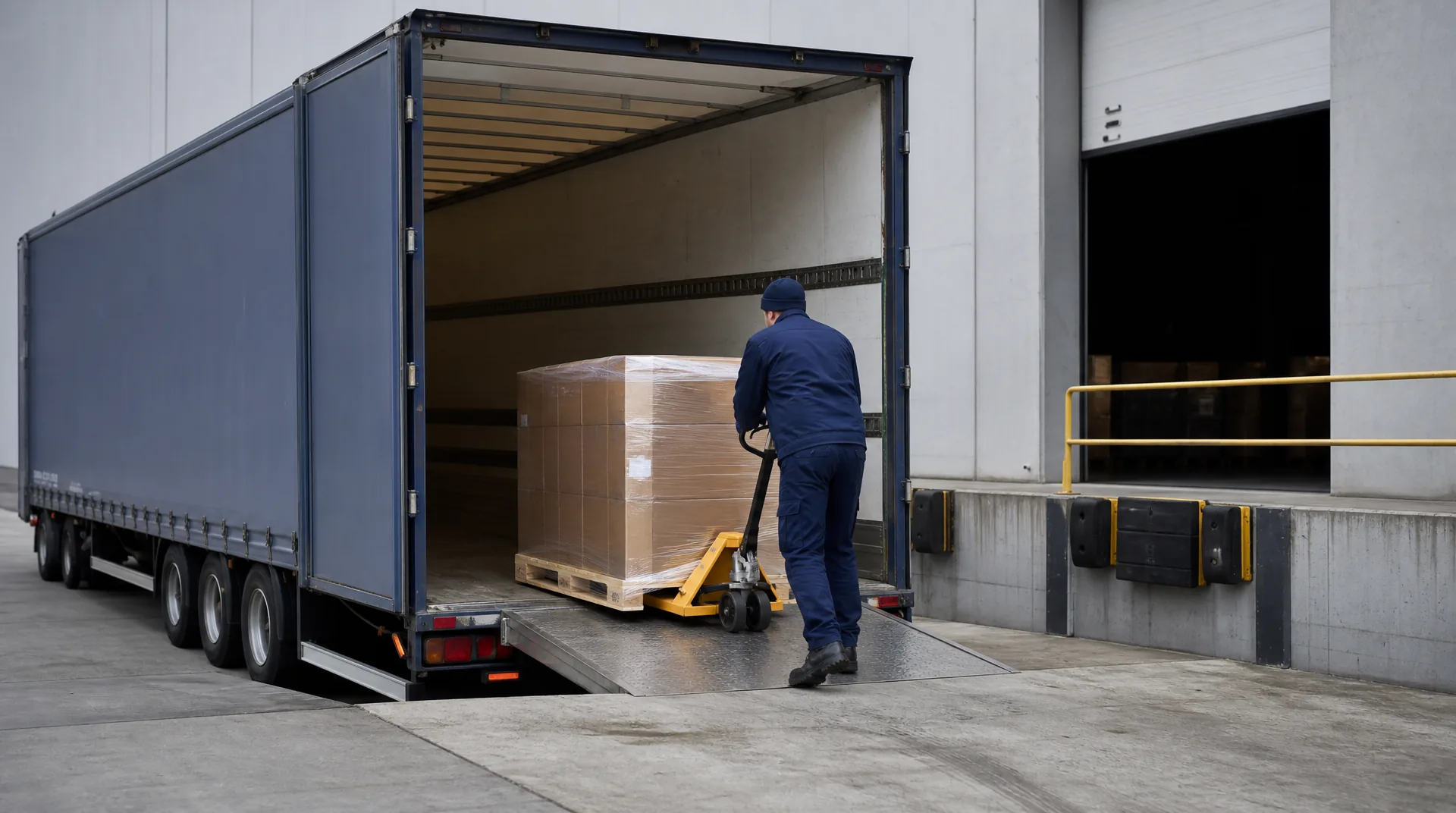
Carriers charge a premium to guarantee an LTL delivery date. Sometimes that premium pays for itself; often it just buys what a competent dispatcher would deliver anyway.
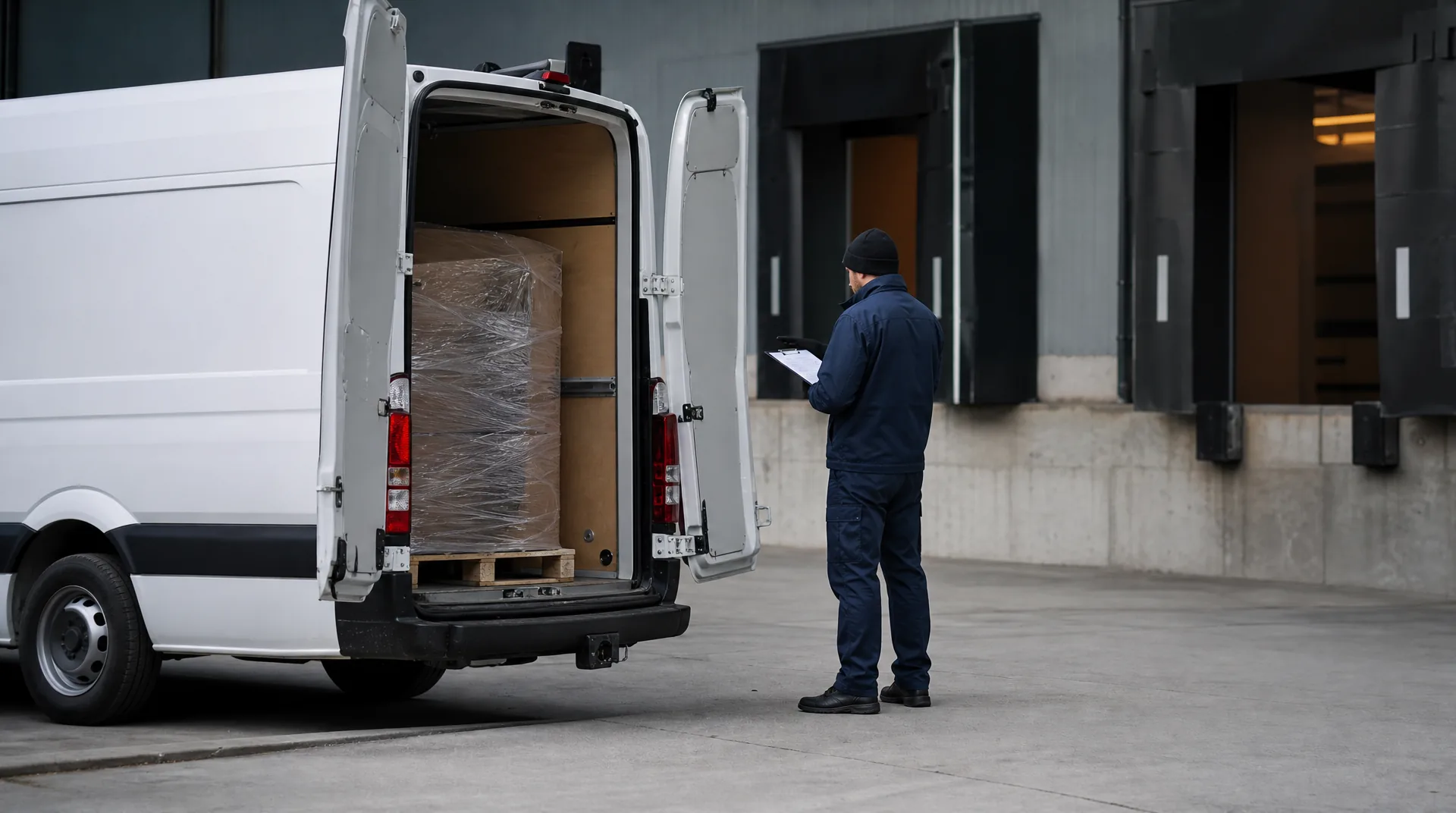
Same-day pricing reflects what you’re actually buying: dedicated capacity, clock pressure, and absorbed dispatch risk. Not just miles times rate-per-mile.
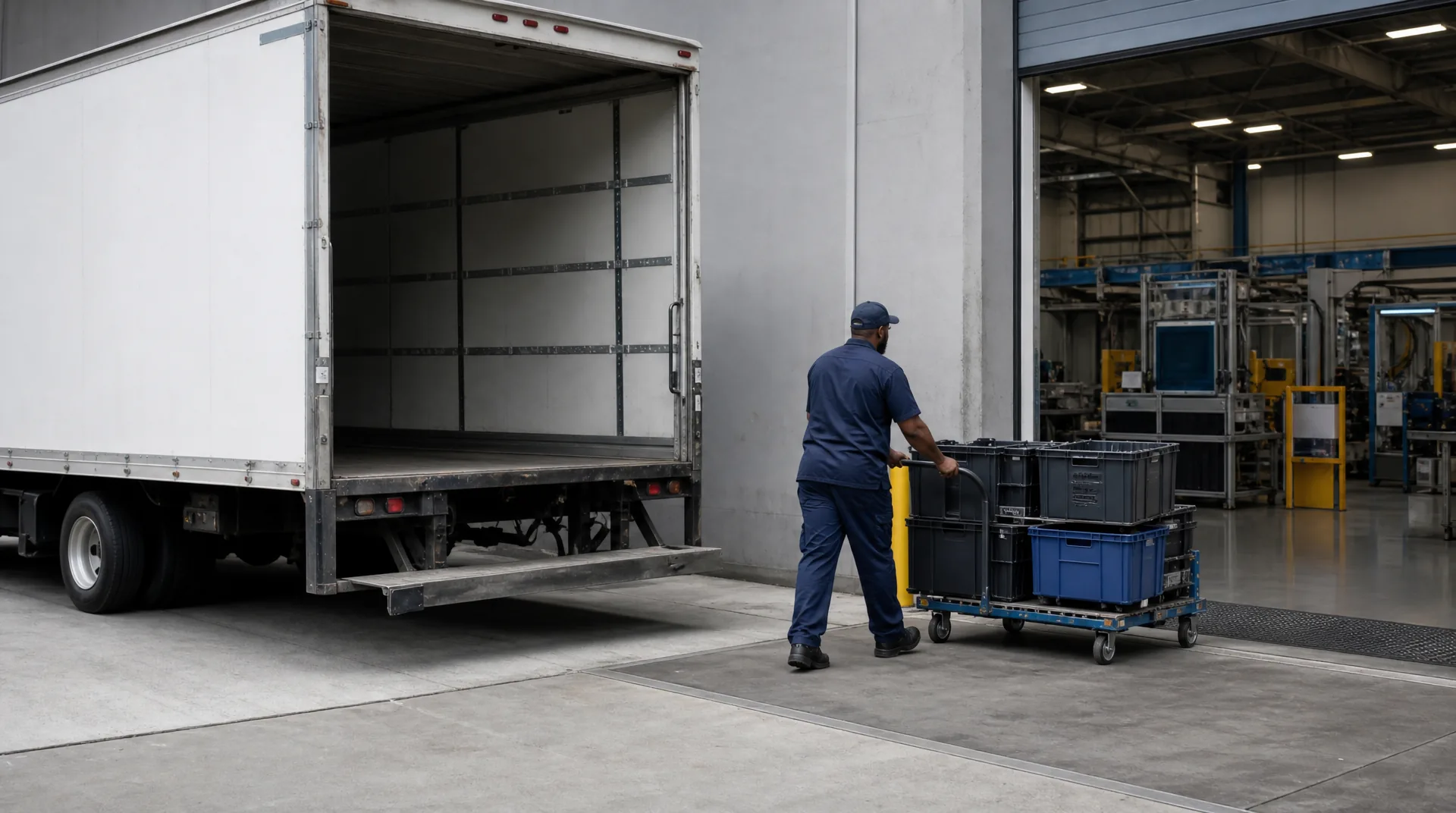
JIT runs on the assumption that every load lands inside its window. The freight side of JIT is dispatch discipline, not luck, and the cost of a miss is set by the receiver, not the carrier.
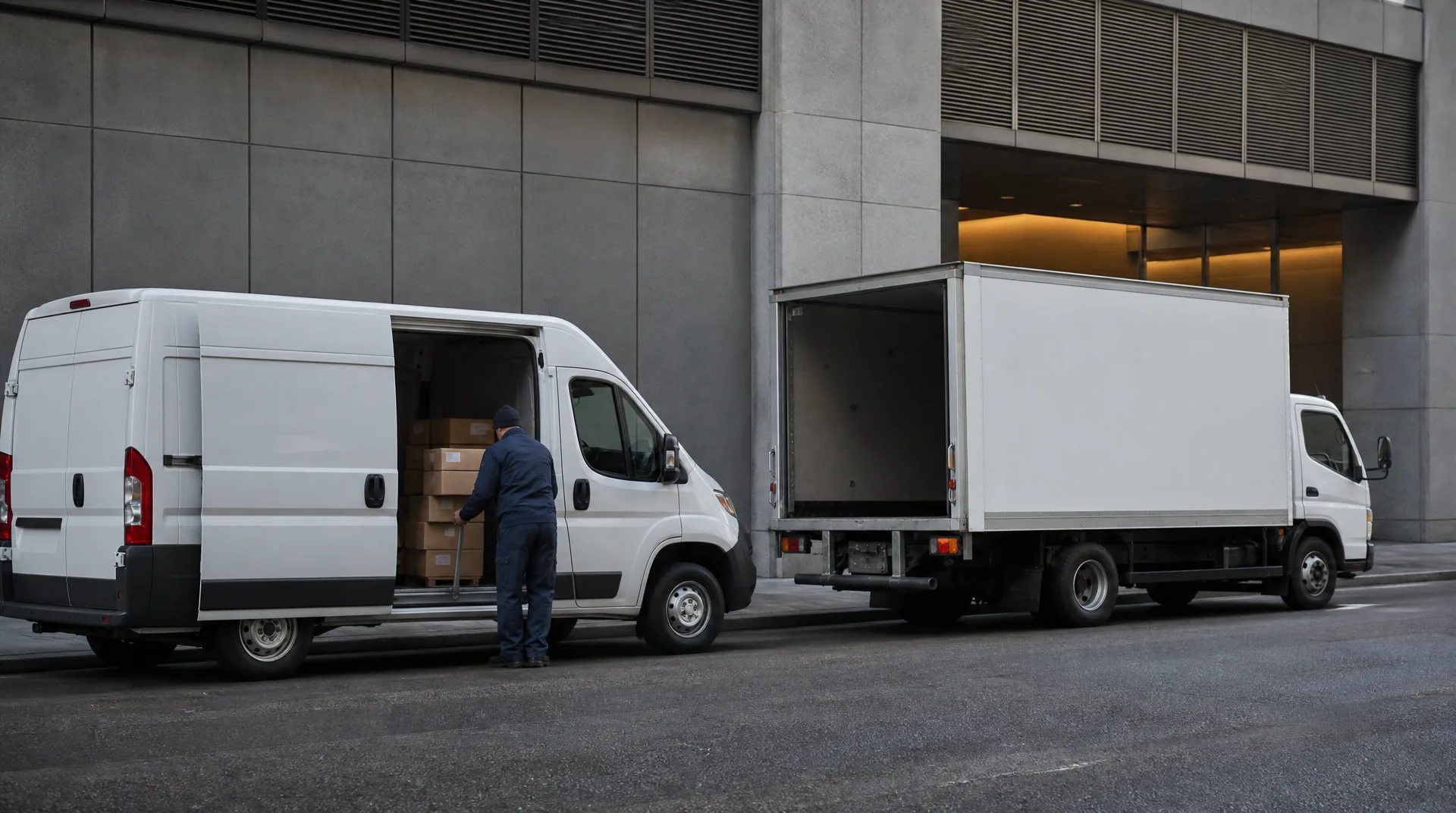
Both move freight today, but they fit different loads. Courier wins on small/light/document; trucking wins once the pallet, weight, or chain-of-custody sets the floor.